Every Morning, a Mother Waits for Her Son’s Voice: In Memory of Three Children Killed in Russia’s War
A reported remembrance of three Ukrainian children—Alisa Olkhovyk (10), newborn Serhii Podlianov, and Borys Dobrobaba (15)—killed in Russia’s war, tracing the attacks in Kramatorsk, Vilniansk, and Kharkiv through their families’ voices.
 Editor2


Every Morning, a Mother Waits for Her Son’s Voice: In Memory of Three Children Killed in Russia’s War
YUSUF İNAN / MARTYRS NEVER DIE
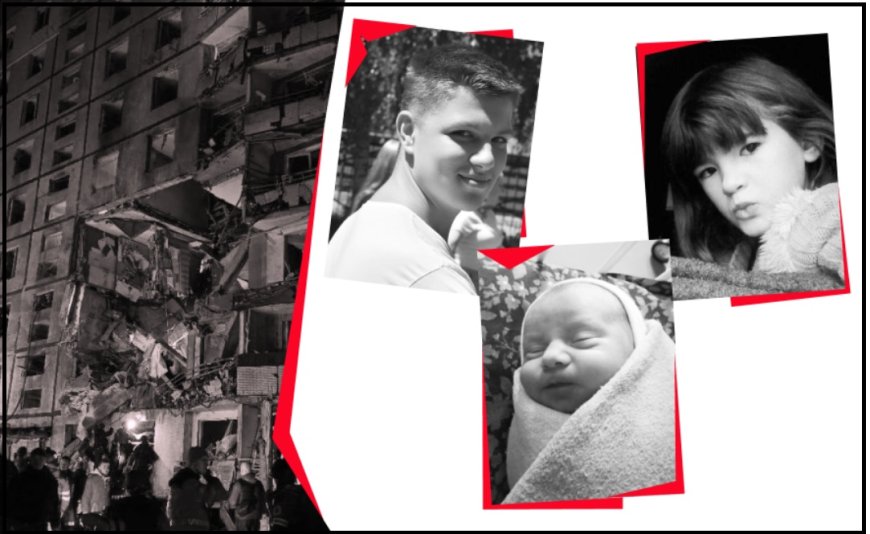
Kyiv, Ukraine — This is a remembrance of three children whose lives were cut short by Russia’s war on Ukraine: 10-year-old Alisa Olkhovyk, killed with her mother at the Kramatorsk railway station; newborn Serhii Podlianov, killed when missiles struck the maternity ward in Vilniansk; and Borys Dobrobaba, 15, killed in his own room in Kharkiv. Their stories are fragments of a national tragedy, told by those who loved them.
Alisa Olkhovyk, 10: “Grandpa, what did you bring me?”
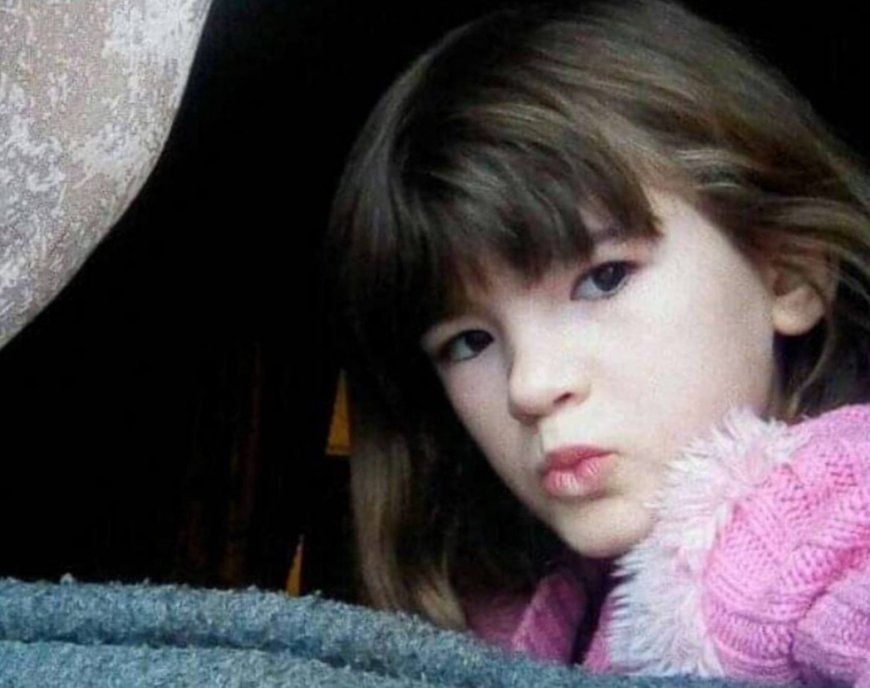
Alisa grew up in a village near New York (Donetsk region), curious, kind and endlessly helpful to her grandparents. Each birthday her grandfather traveled to celebrate with her; she teased him—“Grandpa, don’t lie, Grandma surely packed something”—and hugged the panda toy she received for her 10th birthday in December 2021. After Russia’s full-scale invasion, Alisa and her pregnant mother, Maryna, sheltered in a basement as shells fell; their home was eventually destroyed. On April 8, 2022, they went to the Kramatorsk station to board an evacuation train. A Russian Tochka-U with cluster munitions struck the crowds, killing 61. Maryna was found quickly. Alisa was not. For days, her grandmother received photos of unidentified victims; on the third day, she recognized Alisa. With no safe transport to their hometown, Alisa and Maryna were buried in Dnipro. Their family keeps only a handful of photos—and the ache of unanswered birthday calls.
Newborn Serhii Podlianov: A maternity ward hit at midnight
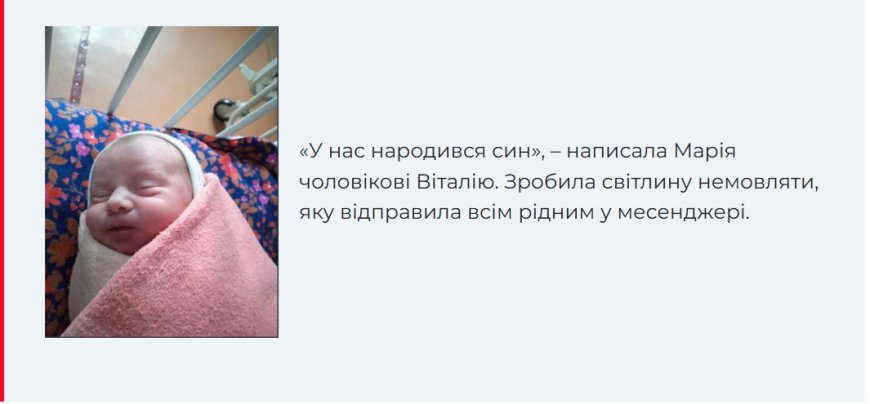
Mariia Kamianetska from Novosolone (Zaporizhzhia region) learned she was pregnant with her fourth child as the invasion began. She and her husband Vitalii named their son Serhii. He was born on November 20, 2022—2,600 grams, long and feisty. The family bought a blue blanket and a tiny suit for discharge on November 23. That night, S-300 missiles struck the Vilniansk hospital twice. After the first blast, no one moved patients to shelter. The second strike hit the maternity ward. Mariia and Serhii were buried in debris; rescuers pulled Mariia out alive. Serhii was found later, lifeless. His grandmother identified him. The family buried the boy in their village; the brand-new clothes and crib remained under rubble. Mariia dreamed that her son was hungry and left cookies and chocolate at his grave. Months later, she learned she was pregnant again; she says Serhii appeared in a dream and asked her to keep the baby. She gave birth to Sashko in December 2023, a child who brings joy—and a measure of solace.
Borys Dobrobaba, 15: A room, a computer, and a final goodbye
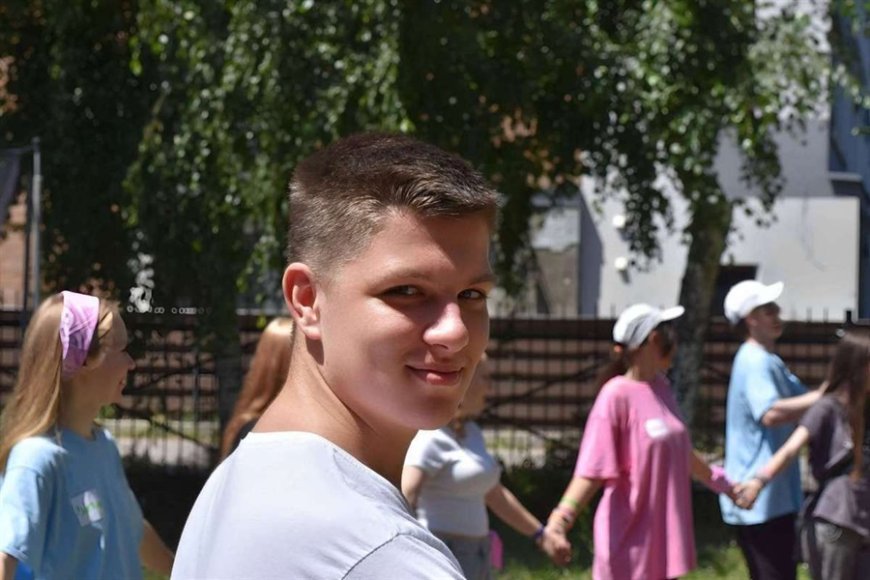
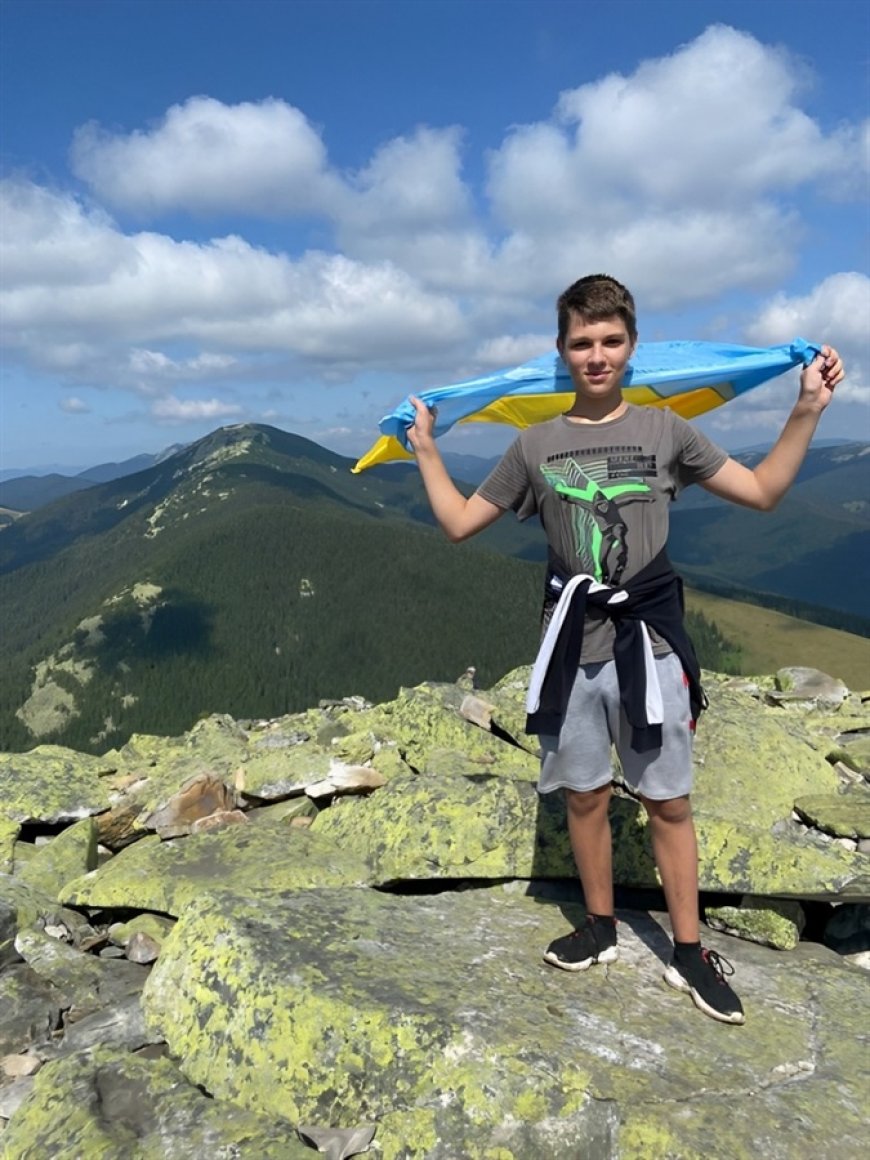
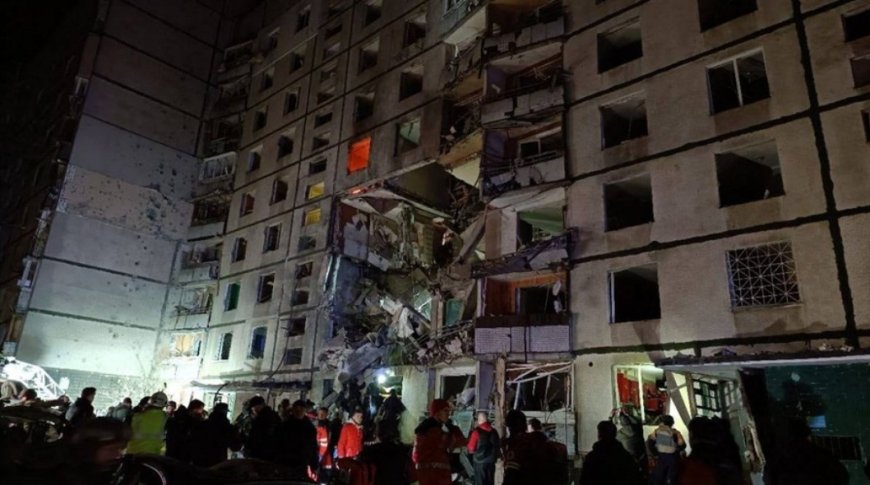
Born in Kharkiv in April 2009, Borys was the first boy in his family for years—gentle, shy, and endlessly helpful. He loved model cars, football (never as a goalie), fishing at dawn, and cooking. During the pandemic he turned to computer games and music; in 2023 he joined a church-run youth space that raised funds for the military by selling baked goods. He was the kind of teenager others trusted—cheerful, attentive, quick to help. The family fled to Ivano-Frankivsk for a time, but Borys returned to Kharkiv to be with his mother, godmother, and grandparents. On October 30, 2024, a guided aerial bomb smashed into their apartment block, collapsing floors one through five; his grandparents escaped from the first floor. Rescuers later pulled Borys’s body from the rubble of his room, near his computer and window. His cousin Angelina found a childhood photo of him dressed as a ladybug among the debris, a sign she took as his last farewell. He was laid to rest on November 2, 2025, at the Zhyhorskyi cemetery, mourned by a crowd of teenagers who had sold sweets with him for charity.


Grief that outlives the blast
These families carry the war long after explosions fade. A grandmother in Lviv still sets aside time each morning, half-hoping to hear her grandson’s voice. A mother in Zaporizhzhia keeps visiting a tiny grave with cookies. A cousin in Ivano-Frankivsk remembers the sudden appearance of a ladybug on a cold gray day and knew, at once, that Borys was gone. Lives lost become rituals of remembrance—birthdays observed without candles, toys kept in drawers, and dreams where children visit for a moment, then vanish.
Their stories are not statistics. They are names and faces, rooms and train platforms, lullabies and footballs, the soft weight of a newborn on a mother’s chest. They are evidence—of a crime, of a country’s resilience, and of the human heart’s insistence on memory.


*
*
*
*