One Name, Two Destinies: The Story of Two Turkish Cousins Martyred 24 Years Apart
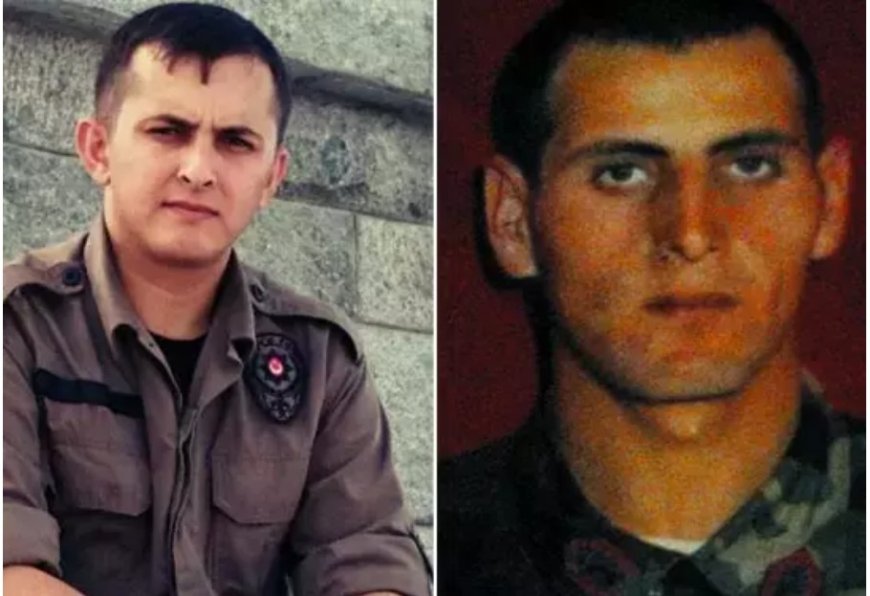
The story of two Turkish cousins, both named İdris Bolat, who were killed in action 24 years apart while fighting the PKK. Gendarmerie Private İdris Bolat was martyred in 1992, and his cousin, Special Operations Police Officer İdris Bolat, was martyred in 2016.
 Editor2


One Name, Two Destinies: The Story of Two Turkish Cousins Martyred 24 Years Apart
YUSUF İNAN / MARTYRS NEVER DIE
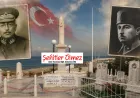
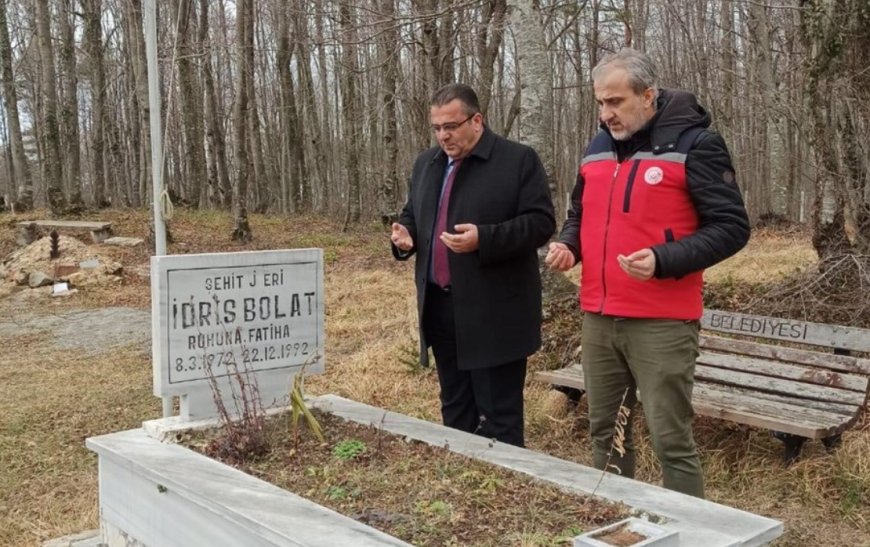
TAŞOVA / AMASYA - Two heroic cousins from the city of Aksaray, who shared the same name, İdris Bolat, were martyred for their country at different times and in different parts of Turkey, but for the same cause. Gendarmerie Private İdris Bolat, who fell in the line of duty in Diyarbakır on December 22, 1992, and his cousin, Special Operations Police Officer İdris Bolat, who was martyred in Hakkari on March 31, 2016, have been immortalized in the heart of the Turkish nation. The story of the two men named İdris serves as a tragic testament to the immense price paid for the unity of the homeland and the unwavering patriotism passed down through a single family.
A Shared Name, A Shared Fate


The Bolat family, from the Eskil district of Aksaray, endured a tragedy that highlights the long and painful history of Turkey's fight against terrorism. Their story is a poignant coincidence of fate, forever linking two generations through sacrifice.
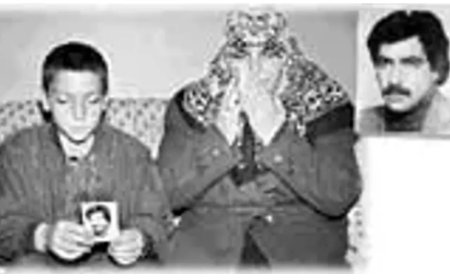
Gendarmerie Private İdris Bolat, born in 1972, was performing his compulsory military service in Diyarbakır, a city in Turkey’s southeast, during a period of intense conflict. On December 22, 1992, at just 20 years old, he was killed in a treacherous ambush by the Kurdistan Workers' Party (PKK), a group designated as a terrorist organization by Turkey, the United States, and the European Union. A young man with dreams of marriage and a future, he became one of the thousands of soldiers to sacrifice their lives for their country.
Twenty-four years later, the family would face the same heartbreak again. His cousin, Special Operations Police Officer İdris Bolat, born in 1990, was following a similar path of service. Raised in a patriotic family—his own father was a veteran—he joined the police force in 2013 and, due to his outstanding performance, was selected for the elite Special Operations unit. In 2016, during the height of intense urban counter-terrorism operations, he was deployed to Yüksekova, a district in the Hakkari province bordering Iran and Iraq. On March 31, 2016, he was martyred during a fierce clash with PKK terrorists. Like his cousin before him, he was unmarried and in the prime of his life.


A City's Unending Grief and Unforgettable Farewells
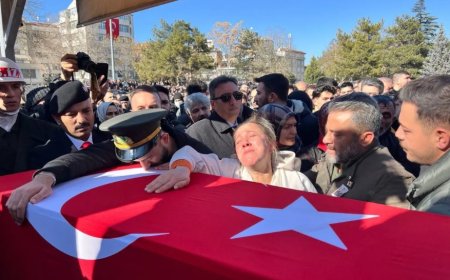
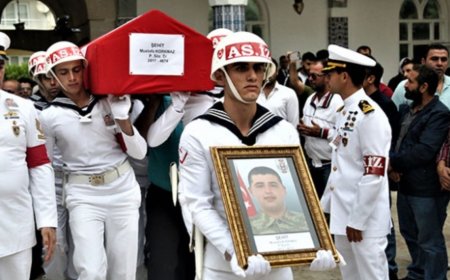
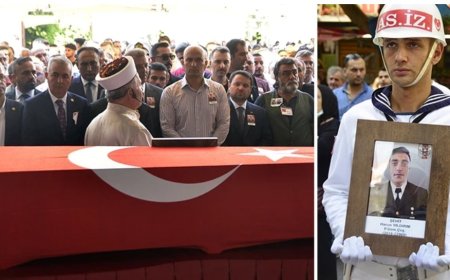
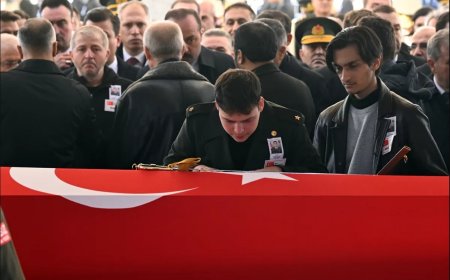
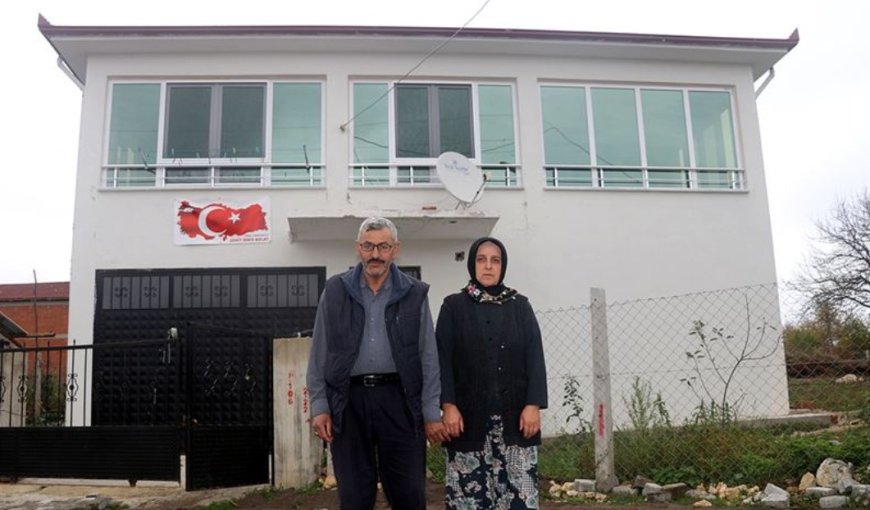
Both heroes were laid to rest in their hometown of Aksaray in ceremonies attended by thousands, though decades apart. While the first funeral in 1992 shrouded the city in grief for its young soldier, the second in 2016 reopened old wounds and deepened the sorrow. The 2016 funeral was marked by a particularly poignant moment that was seared into the nation's memory. The martyr's father, embracing his son's flag-draped coffin, cried out, "My son, I could not be like you. My life be sacrificed for the homeland." His words echoed the family's profound sense of duty and the immense pride felt even in the face of unbearable loss. The Bolat family's dignified stance in the face of their repeated tragedy served as an example of resilience and patriotism for the entire nation.
A Legacy That Lives On
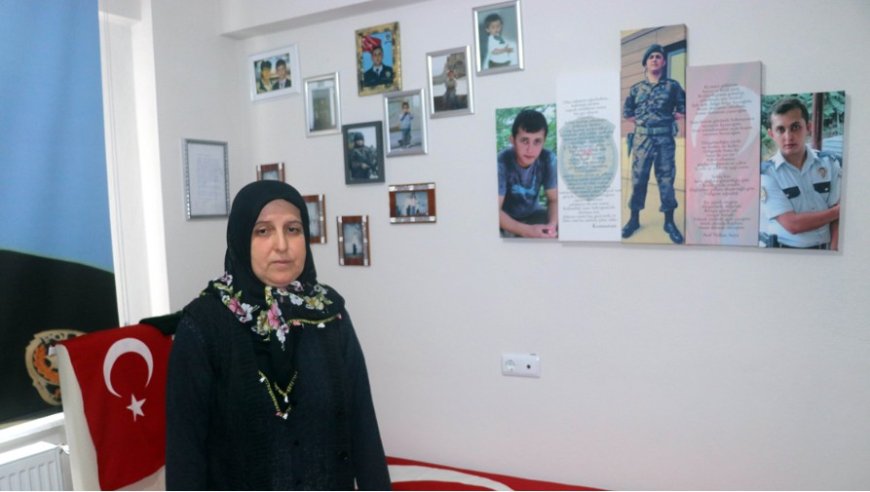
While neither of the martyred cousins had a publicly known will, their memories are being kept alive by their nation and community. In the Eskil district of Aksaray, a library was established in memory of Gendarmerie Private İdris Bolat, ensuring that his sacrifice inspires future generations through knowledge. The name of Special Operations Police Officer İdris Bolat also lives on, honored in a school where he served and in ongoing memorial events. The story of the two men named İdris Bolat is more than a tragic coincidence; it is a powerful symbol of the generational struggle to protect the homeland and a solemn promise that its martyrs will never be forgotten.
.
*
*
*
A soldier doesn’t die when he’s shot—he dies when he’s forgotten.