Holding Hands to the End: The Tragedy of Zara
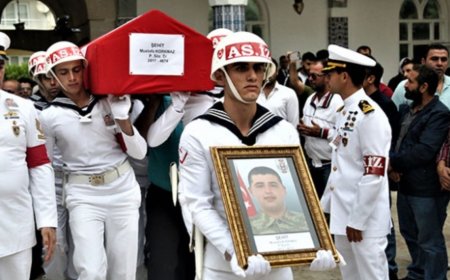
In 1995, PKK terrorists ambushed vehicles near Zara, Sivas, executing Sergeant Major Murat Namdar and members of the Gezder family. Survivors’ testimonies reveal the horror, grief, and enduring trauma of the massacre.
 Editor2


Holding Hands to the End: The Tragedy of Zara
YUSUF İNAN / MARTYRS NEVER DIE
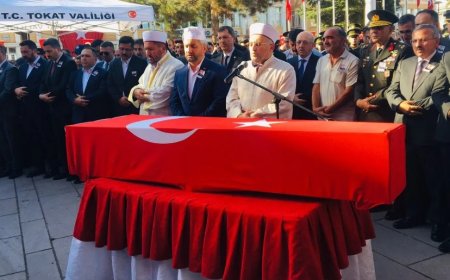
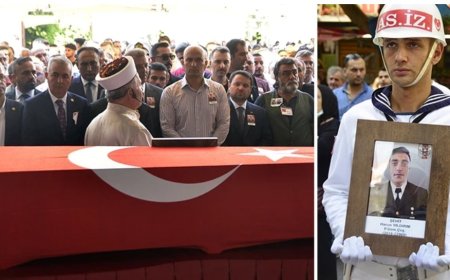
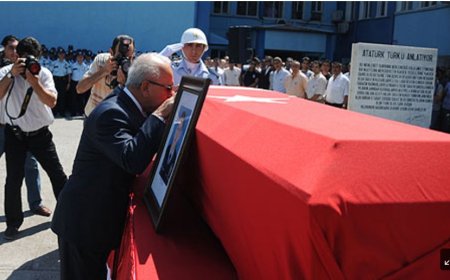
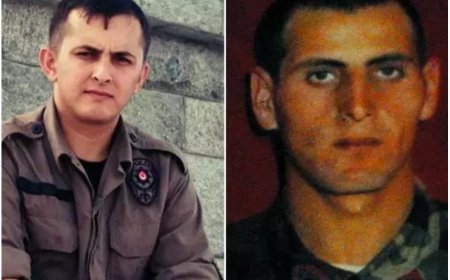
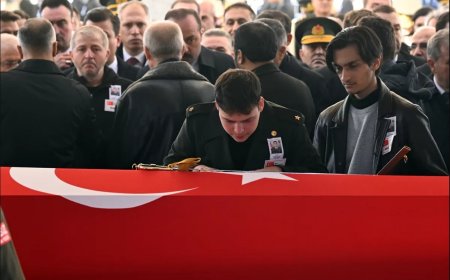
Sivas, Turkey — On September 23, 1995, the quiet road between Zara and İmranlı became the site of one of the most brutal terrorist ambushes in Turkey’s history. PKK militants stopped vehicles, executed five people, and left families shattered forever. Among the victims were Sergeant Major Murat Namdar, a band officer of the Turkish Armed Forces, and Yılmaz and Namık Gezder, two brothers traveling with their family. Survivors’ haunting testimonies reveal not just a massacre, but a shared agony that continues to echo nearly three decades later.
Families Broken by Terror
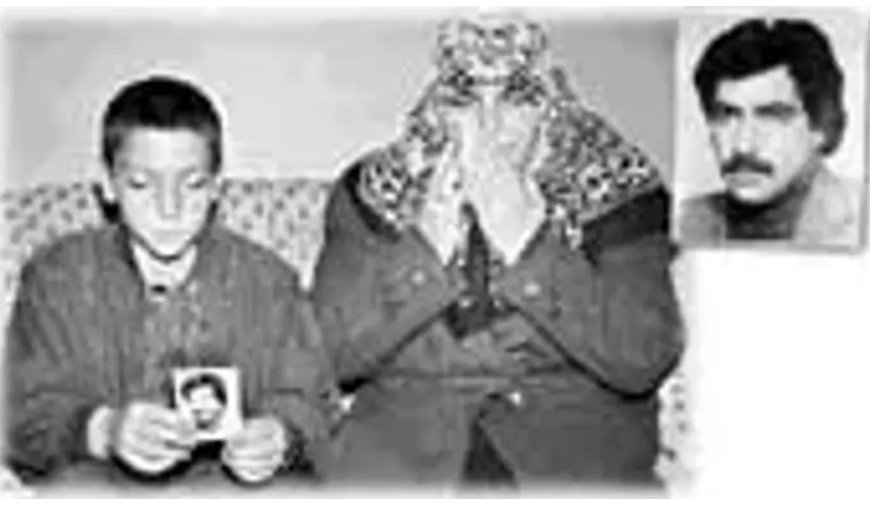
The Gezder family’s ordeal is a portrait of grief without end. Mother Safiye Gezder, who saw her two sons killed, died of sorrow only two years later. Father Neşet Gezder, overwhelmed by loss, went blind and deaf. “I was waiting for my children at home in İzmir when the phone rang with the news. I fainted instantly. The shock shattered my hearing, and soon I lost my sight. May God never let even my enemy live through such pain,” he said years later.
Forced to Hold Hands Before Death
The ambush was marked by cruelty. Witnesses recounted how PKK militants forced Sergeant Major Namdar and Yılmaz Gezder to clasp hands before executing them. For Yılmaz’s widow, Gülzade, the memory is a wound that never heals. She clutched the uniformed terrorist who shot her husband and begged to be killed too. “They should have killed me with him. Instead, they condemned me to this pain,” she said. Her words mirror those of Namdar’s wife, Yıldız, who also carried her grief into the courtroom years later when confronting PKK leader Abdullah Öcalan.
A Child Saved, but Fatherless
In the Gezder family car, 10-year-old Tuncay was pushed to the floor by his mother as gunfire erupted. “I was looking out the window when suddenly it was like a cowboy movie—gunfire everywhere. I ducked down inside the car. They left me without a father,” he recalled. His survival was a miracle, but it came at the price of lifelong trauma.


The Horror of Identification
When Erzurum Sports Director Nihat Gezder was called to identify the bodies of his nephews and Namdar, the reality of the attack struck with unbearable clarity. “Their bodies were riddled with bullets. Murat Namdar’s face was unrecognizable. They weren’t human, those who did this,” he said, still haunted by the sight of their shattered bodies.
A Collective Wound
The Zara massacre is not only remembered as the death of five individuals but as a deep scar on the collective memory of Turkey. It tore families apart, claimed parents, left children orphaned, and etched a reminder of terrorism’s inhumanity. To this day, the Namdar and Gezder families are symbols of resilience, endurance, and the price ordinary people pay in extraordinary times of violence.


A soldier doesn’t die when he’s shot—he dies when he’s forgotten.
www.sehitlerolmez.com