Hafez Assad’s Strategic Support for the PKK: A Legacy of Regional Power Politics
strategic analysis of Hafez Assad’s support for the PKK, its implications for Turkey, and the geopolitical legacies of this alliance.
 Editor



Hafez Assad’s Strategic Support for the PKK: A Legacy of Regional Power Politics
YUSUFİNAN / MEDICENTERTV.COM
A Long-Standing Alliance with Profound Consequences
Between 1979 and 1998, Syria became a sanctuary for PKK leader Abdullah Öcalan, enabling the group to evolve from a fledgling organization into a formidable force. This nearly two-decade-long relationship, overseen by Hafez Assad, not only destabilized Turkey but also reshaped regional power dynamics in the Middle East.
How Syria Enabled the PKK’s Rise
-
Strategic Training Grounds:
- The PKK’s training camps in Lebanon's Bekaa Valley served as pivotal hubs for militant indoctrination and operational planning under Syrian oversight.
-
Comprehensive Logistical Support:
- Arms shipments, financial backing, and intelligence collaboration fortified the PKK’s capacity to conduct sustained operations against Turkey.
-
Political Shielding:

- Assad's regime offered Öcalan a safe haven, exploiting the PKK as a tool in its geopolitical rivalry with Ankara.


Turkey’s Human and Economic Toll
Syria’s backing allowed the PKK to escalate its insurgency, exacting a devastating toll on Turkey:
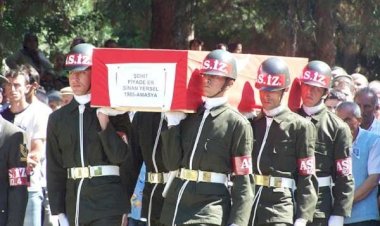
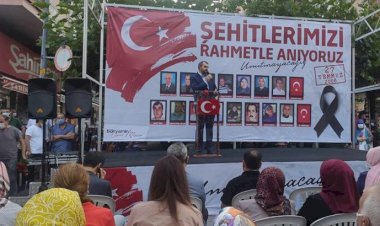
- 40,000 lives lost, including over 6,000 security personnel.
- Thousands of civilians displaced or injured.
- The economic fallout, coupled with the social trauma, left a lasting impact on Turkey's internal stability.
Hafez Assad’s PKK Strategy: A Calculated Maneuver
The PKK was instrumental in Hafez Assad’s broader regional strategy, which revolved around:
-
Water Diplomacy:
- Leveraging the PKK to pressure Turkey over control of the Euphrates River’s resources.
-
Regional Hegemony:
- Creating a buffer of instability along Turkey's borders to curtail its influence.
-
Weaponizing the Kurdish Issue:
- While suppressing Kurdish dissent domestically, Assad used the PKK as a cross-border mechanism to challenge Ankara.


The Adana Agreement: A Turning Point
In 1998, Turkey’s military threats forced Damascus to expel Öcalan. The Adana Agreement mandated Syria to terminate its support for the PKK, marking a watershed moment in Turkish-Syrian relations. However, the PKK adapted by shifting its operational base to other territories.
From Hafez to Bashar: Continuity and Change
Bashar Assad’s approach to the PKK diverged from his father’s direct support. Nevertheless, during the Syrian Civil War, Assad’s regime indirectly facilitated the PKK’s Syrian affiliate, PYD/YPG, complicating relations with Turkey and reigniting historical tensions.
A Lesson from History
The Assad regime’s long-standing support for the PKK underscores the enduring interplay between regional ambitions and insurgent networks. For Turkey, the scars of this era remain vivid, serving as a stark reminder of the geopolitical risks posed by non-state actors and state-sponsored militancy.