Most Ukrainians Firmly Reject Territorial Concessions for Peace
A recent poll shows 52% of Ukrainians firmly oppose giving up territory to Russia for peace. Russia's proposed "peace plan" is rejected by 82% of Ukrainians, reflecting widespread public resistance to concessions.
 Editor
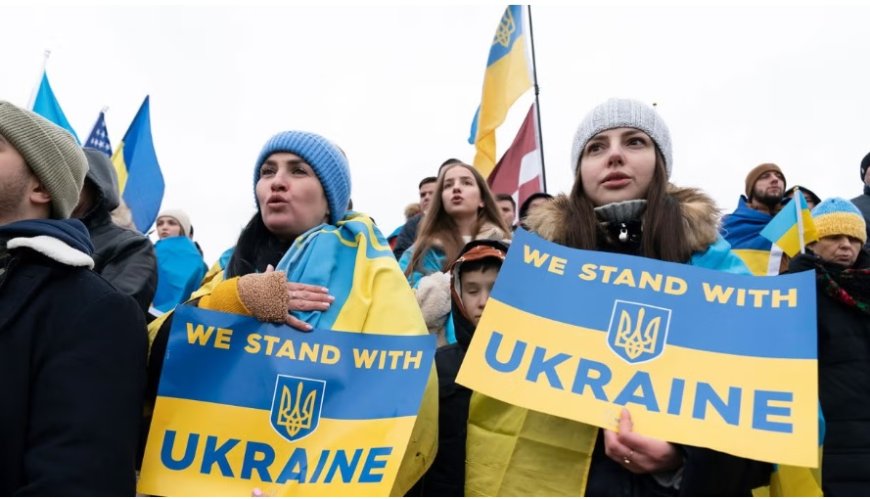


Most Ukrainians Firmly Reject Territorial Concessions for Peace
YEREL GÜNDEM / UKRAINE
Public opinion in Ukraine shows strong resistance to Russia’s latest peace proposal
A new poll conducted by the Kyiv International Institute of Sociology (KIIS) reveals that the majority of Ukrainians oppose any form of territorial concessions to Russia in exchange for peace. The survey, conducted between May 15 and June 3, 2025, shows that 52% of Ukrainians categorically reject giving up land, including those regions currently under Russian occupation.
The percentage has remained relatively stable since February 2025, when 50% of respondents held the same view. Meanwhile, only 38% said they are open to certain territorial compromises, a slight decrease from 39% in February.
Ukrainians overwhelmingly reject Russia’s “peace plan”
The KIIS poll also indicates that Ukrainians overwhelmingly reject Russia’s proposed peace framework. As many as 82% of those surveyed said they are firmly against Moscow’s so-called “peace plan,” while only 10% expressed support.
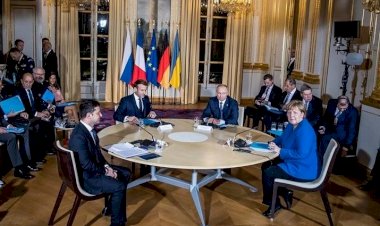
The most contentious element of the plan is Russia’s demand that Ukraine cede five occupied regions, including Crimea, Zaporizhzhia, Kherson, Donetsk, and Luhansk. These demands were formally presented during the second round of Ukraine-Russia negotiations held in Istanbul on June 2, 2025.


A staggering 78% of respondents opposed the idea of transferring the 2022-occupied territories to Russian control, further underscoring the public’s unwillingness to trade sovereignty for peace.
What does Russia’s peace memorandum demand?
The memorandum presented by Moscow in Istanbul outlines a series of non-negotiable conditions for ceasefire and normalization. Key Russian demands include:
-
Recognition of five Ukrainian regions, including Crimea, as part of the Russian Federation

-
Ukraine’s adoption of a “neutral” status, withdrawing from all military alliances and foreign military presence
-
Complete denuclearization and military downsizing
-
Disbanding of nationalist paramilitary groups
-
Granting official status to the Russian language
-
Lifting all Western sanctions on Russia
-
Mutual renunciation of war reparations
-
Re-establishment of full diplomatic relations between Kyiv and Moscow


Additionally, Russia proposes two ceasefire scenarios that require Ukraine to end military mobilization and cease accepting foreign military aid.
National resilience remains high
The survey highlights the continued resilience of the Ukrainian population. More than three years into the conflict, Ukrainians are largely united in their determination to defend national sovereignty, regardless of the costs. Experts suggest this public sentiment severely limits the Ukrainian government’s flexibility in future peace talks.
“This is not just a political stance. It’s a reflection of the national identity and resistance culture that has developed since the invasion,” said a spokesperson from KIIS.
A message to Moscow and the international community
Ukraine's public opinion sends a clear signal: any peace deal that requires Ukraine to give up its territory will not gain popular support. This puts pressure not only on Kyiv’s negotiators but also on international mediators seeking a resolution to the conflict.
As diplomatic efforts continue, one thing is clear—most Ukrainians are not willing to compromise on their country's territorial integrity, no matter how the war ends.