Russian Drone Strikes Leave Ukraine’s Mykolaiv in Total Blackout
Following a massive wave of Russian drone and missile attacks on critical energy infrastructure, the entire Ukrainian city of Mykolaiv and nine other regions face severe power outages.
 Editor2


By Yusuf İnan | Wise News Press
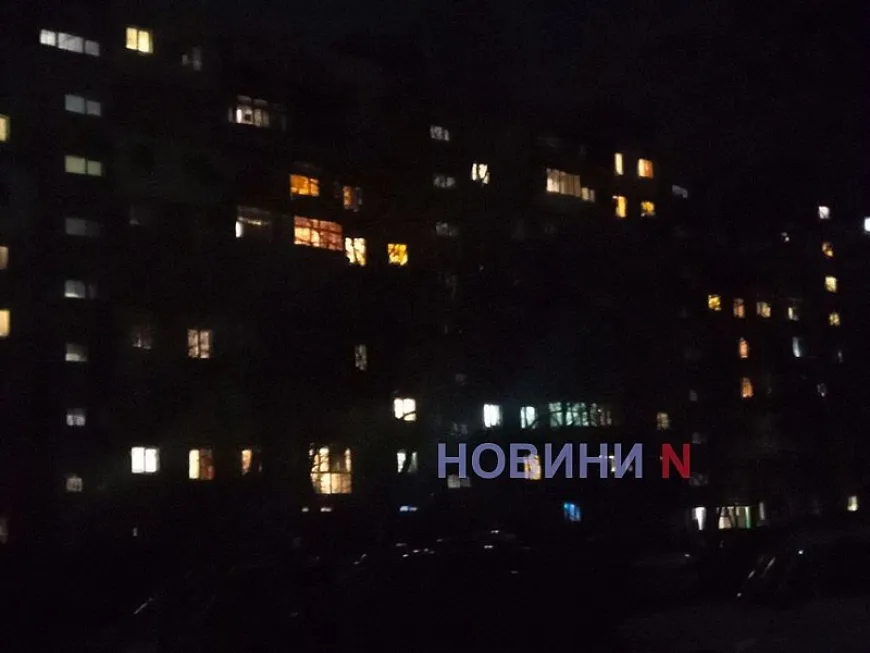
MYKOLAIV, UKRAINE — The entire southern Ukrainian city of Mykolaiv was plunged into sudden darkness on Thursday morning following a massive and coordinated Russian drone and missile assault targeting critical energy infrastructure. The strikes, which occurred during a widespread air raid alert, have severely disrupted the daily lives of hundreds of thousands of residents and highlighted the ongoing vulnerability of the nation's civilian utility grids.
The systematic targeting of the electrical network, primarily utilizing Iranian-designed "Shahed" kamikaze drones, has triggered emergency blackouts not only in Mykolaiv but has also partially disrupted power across nine other Ukrainian oblasts. As municipal workers scramble to restore connectivity, the attack serves as a stark reminder of the escalating humanitarian and infrastructural crisis as the war continues into the spring months, with Russian forces persistently attempting to break civilian resolve through utility deprivation.
Citywide blackout and emergency municipal response
The electrical failure cascaded across the city at approximately 10:10 AM local time, precisely as air raid sirens echoed through the streets. Residents from all major districts immediately reported the loss of power, internet connectivity issues, and disruptions to local water pumping stations.


Mykolaiv Mayor Oleksandr Syenkevych swiftly confirmed the unprecedented scale of the outage, assuring the public that local authorities were actively managing the crisis.
"People of Mykolaiv, there is no electricity supply in the city. City services are working. Public transport is running: trolleybuses are switching to autonomous driving. We are controlling the situation and will inform you about any changes," Syenkevych stated in an emergency broadcast to residents.
To maintain order and ensure that essential movement within the city remains possible, the municipal transport enterprise, Mykolaivelektrotrans, initiated emergency protocols. Due to the de-energized network, the city's tram system was completely halted. However, trolleybuses equipped with PTS (Power Tracking System) autonomous driving capabilities continued to navigate the routes. Officials noted that when battery levels run critically low, the rolling stock is being systematically recharged using heavy-duty industrial generators stationed at strategic depots across the city.


Regional impact and infrastructure destruction
The devastation extended far beyond the city limits. Vitaliy Kim, the head of the Mykolaiv Regional Military Administration (OVA), provided a broader assessment of the morning's damages. According to Kim, the coordinated attacks completely de-energized the capital city as well as numerous surrounding settlements situated within the Mykolaiv and Bashtanka administrative districts.
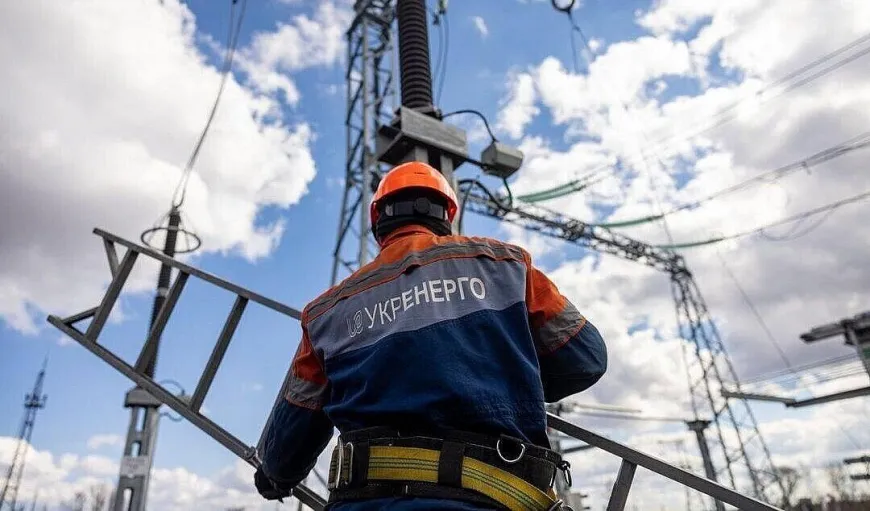
"As a result of the morning attack by the Russians on the energy infrastructure of the Mykolaiv region, the city of Mykolaiv is completely de-energized, as well as settlements in the Mykolaiv and Bashtanka districts. Energy workers are already working on restoration," Kim informed the public.
The strategy of targeting high-voltage substations and distribution nodes forces engineers to physically reroute power through secondary, often less robust, transmission lines. Repair crews were dispatched immediately after the all-clear signal was given, working under hazardous conditions to assess the structural damage to transformers and replace severed cables.
A nationwide energy grid under siege
The localized crisis in Mykolaiv is part of a much larger, synchronized offensive against Ukraine's national energy operator,
According to official Ukrenergo reports, partial power outages were recorded in 10 different regions as a direct result of the Thursday morning strikes. Beyond the total blackout in Mykolaiv, consumers experienced partial disconnections in the Kyiv, Kherson, Donetsk, Dnipropetrovsk, Zaporizhzhia, Odesa, Poltava, Sumy, and Kharkiv regions.
This multi-regional impact underscores the interconnected nature of the Soviet-era power grid and the immense pressure placed on Ukrainian engineers to maintain a stable frequency when major generation or transmission facilities are violently knocked offline. Energy experts suggest that the persistent use of loitering munitions aims to deplete Ukraine's stockpile of interceptor missiles while simultaneously causing maximum economic and psychological distress to the civilian population.
Civilian casualties and structural devastation
The attacks on the electrical grid were preceded by a brutal day of kinetic strikes across the Mykolaiv region. On Wednesday, April 15, Russian forces executed a massive combined rocket and drone attack that left a trail of civilian casualties and destroyed property.
In the city of Novyi Buh, located in the Bashtanka district, a family's home was caught in the blast radius of the bombardments. The Mykolaiv OVA reported that a 36-year-old man and a 35-year-old woman sustained physical injuries, while their 8-year-old son was diagnosed with a severe acute stress reaction due to the trauma of the explosion. The entire family was immediately evacuated and hospitalized. Medical authorities confirmed on Thursday morning that their condition remains satisfactory and stable, with no signs of deterioration.
The blast wave and shrapnel in Novyi Buh also caused varying degrees of structural damage to at least eight private residential houses, shattering windows, destroying roofs, and compromising structural foundations.
Multi-faceted tactical assaults across communities
The Russian military utilized a diverse arsenal of weaponry to strike multiple communities across the region, indicating a highly coordinated tactical approach designed to overwhelm local air defenses.
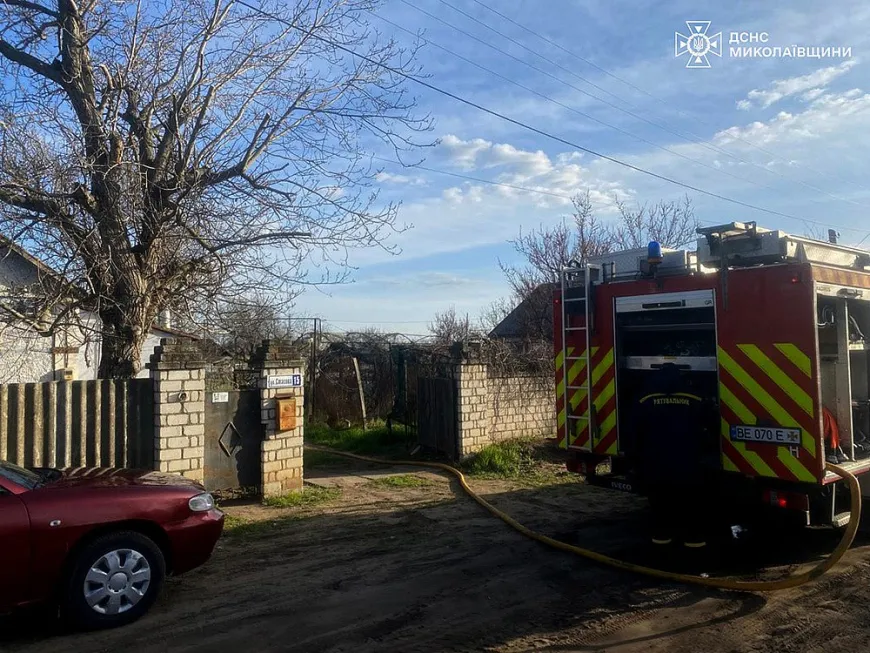
In the Pervomaisk district, the successful interception of hostile aerial targets by Ukrainian air defense systems resulted in falling debris that damaged a private house, a garage, and local power lines. This incident temporarily cut off electricity to three settlements in the district. However, owing to the rapid response of local repair crews, power was successfully restored to all affected consumers by 00:40 AM. Fortunately, no casualties were reported in this specific incident.
The southern coastal areas also faced relentless bombardment. Enemy forces deployed First-Person View (FPV) kamikaze drones and heavy artillery against the Kutsurub community. The intense shelling specifically targeted the village of Dmytrivka, where local authorities documented damage to two private residences, an agricultural outbuilding, and a garage.
Furthermore, industrial zones were not spared from the assault. Preliminary reports from military analysts indicate that a "Molniya" (Lightning) type unmanned aerial vehicle (UAV) struck a critical industrial infrastructure facility within the Halytsynove community. While the extent of the economic damage is currently being assessed by local enterprise owners, officials confirmed that there were no human casualties resulting from this specific industrial strike.
The humanitarian toll and the path forward
As Mykolaiv grapples with the immediate aftermath of the blackout, the humanitarian toll of these relentless infrastructure attacks becomes increasingly apparent. Hospitals, equipped with backup generators, are forced to carefully manage their fuel reserves to keep critical life-support systems, surgical wards, and neonatal incubators fully operational. Small businesses, which form the backbone of the local economy, face significant financial losses as refrigeration units fail and electronic payment systems go offline.

The psychological burden on the civilian population is immense. Children, such as the 8-year-old boy hospitalized for acute stress in Novyi Buh, bear the invisible scars of a conflict that systematically weaponizes their basic needs. Despite these overwhelming challenges, the resilience of the Ukrainian people remains palpable. Within hours of the blackout, community centers and "Points of Invincibility" (emergency shelters equipped with Starlink internet and heating) began opening their doors to citizens needing to charge their communication devices and seek temporary respite.
Local authorities, in coordination with the central government in Kyiv, are urging the international community to expedite the delivery of advanced air defense systems and specialized electrical equipment to fortify the grid against future incursions. Until such comprehensive defensive measures are fully operational, the city of Mykolaiv, along with millions of other Ukrainians, continues to navigate the dark reality of a war where light and warmth are fiercely contested battlegrounds.