Russia’s Strategic Retreat: From Syria’s Collapse to Moldova’s Brink
Russia’s sudden withdrawal from Syria and Libya, followed by increased pressure on Moldova, signals a shift in Moscow’s geopolitical strategy—abandoning warm-water ambitions to consolidate power in the Black Sea.
 Editor2


Russia’s Strategic Retreat: From Syria’s Collapse to Moldova’s Brink
YUSUF İNAN / ANKARA, TÜRKİYE
The Assad Collapse: Russia's Abrupt Withdrawal from Syria
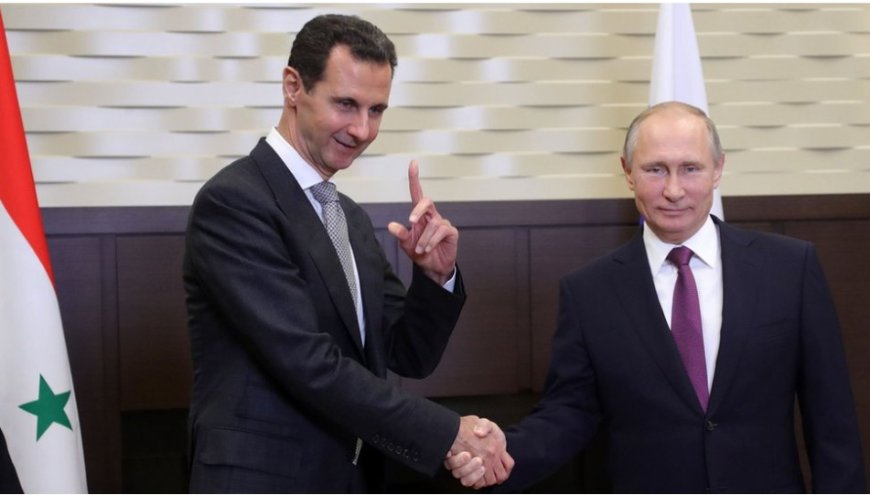
After nearly a decade of military presence, Russia suddenly withdrew its forces from Syria, facilitating the escape of President Bashar al-Assad from Damascus. Once the strongest foreign pillar of the Assad regime, Moscow’s silence during the fall of Damascus shocked the international community. Despite Syria’s heavy military assets—including tanks and air power—opposition forces led by Ahmad Shara seized control using improvised vehicles, echoing past collapses such as Iraq’s military surrender and Libya’s disintegration under Gaddafi.
Kremlin’s promises to support Assad evaporated at the critical hour, triggering regional panic and ending Russia's leverage in the Levant. Analysts now frame this as a clear strategic miscalculation, exposing the fragility of Moscow’s power projection in the Middle East.
A Pattern of Withdrawal: From Libya to Iraq
The Syrian exit echoes Russia’s previous passivity in Libya, where Moscow failed to defend its assets following Gaddafi’s fall. Similarly, in Iraq, the lack of proactive engagement allowed U.S.-led coalitions to reshape the balance. These patterns illustrate Russia’s shift from strategic expansion to defensive retreat, despite initial ambitions to secure warm-water access through Mediterranean ports.
Moldova in Focus: A New Front via Gagauzia
As Russia retreats from the Middle East, it intensifies its presence near the Black Sea. Gagauzia, a pro-Russian autonomous region in Moldova, is now under geopolitical spotlight. Analysts suggest a Crimea-style scenario may be unfolding, with Moscow potentially orchestrating a separatist uprising or military intervention.
The region’s governor, Evghenia Guțul, has openly liaised with Russian officials, fueling speculation about coordinated subversion. With parliamentary elections scheduled for September 2025, the pro-Russian political bloc “Victory” could catalyze deeper Russian influence if unchecked. This strategic pivot indicates Russia’s growing focus on “near-abroad” leverage after failing in distant theaters.


NATO Closing In: Russia’s Own Moves Backfire
Russia’s push into Ukraine ironically strengthened NATO’s eastern flank. The invasion led Finland, Sweden, and possibly Moldova to seek NATO membership. Moscow’s control of Crimea and ambitions to seize Odesa could open a corridor into Moldova. However, NATO has significantly expanded infrastructure near the Black Sea, particularly in Romania’s Constanța region, limiting Russia’s room for maneuver.
What was once a bold attempt to deter NATO encroachment has now resulted in its deeper integration into Russia’s periphery.
Strategic Misjudgments and Internal Strains
Several missteps have weakened Russia’s long-term positioning:


-
Overextension: Simultaneous engagements in Syria, Libya, Ukraine, and now Moldova have diluted Moscow’s strategic focus.
-
Economic Strain: Sanctions, energy market shifts, and export bans have destabilized the Russian economy.
-
Domestic Discontent: Opposition leader Alexei Navalny’s death in prison triggered despair and growing dissent within Russian society.
-
Tarnished Image: Ukraine’s defense successes—including the Kerch bridge attacks and assassinations of Russian generals—have shattered Moscow’s aura of invincibility.
The Central Question: Is Putin Reorienting Around the Black Sea?
Strategists increasingly believe President Vladimir Putin is consolidating around the Black Sea, abandoning his Mediterranean ambitions. Control of Odesa would grant access to Moldova and potentially destabilize Eastern Europe further. If unchecked, this could place NATO and Russia on a direct collision course in the Balkans.
Conclusion: Declining Empire or Calculated Realignment?
Russia’s recent moves—vacating key Middle Eastern territories while tightening its grip on Ukraine and Moldova—may be a reluctant admission of overreach. Alternatively, it could mark a recalibration toward a defensible “Eurasian core.” Either way, the erosion of Russian influence in Syria, Libya, and now Ukraine paints a picture of a strategic empire in retreat. Whether Putin can reverse this decline remains one of the most pressing questions in global geopolitics.
Hashtags:
#Russia #Syria #Moldova #Gagauzia #NATO #Putin #Geopolitics #BlackSea