THE FRAGILE BALANCE OF GLOBAL POWER: LOVE, JUSTICE, AND THE FUTURE OF MANKIND
A strategic and emotional analysis of the Ukraine war and global leadership challenges, offering a vision for sustainable peace based on love, justice, and cultural diplomacy.
 Editor


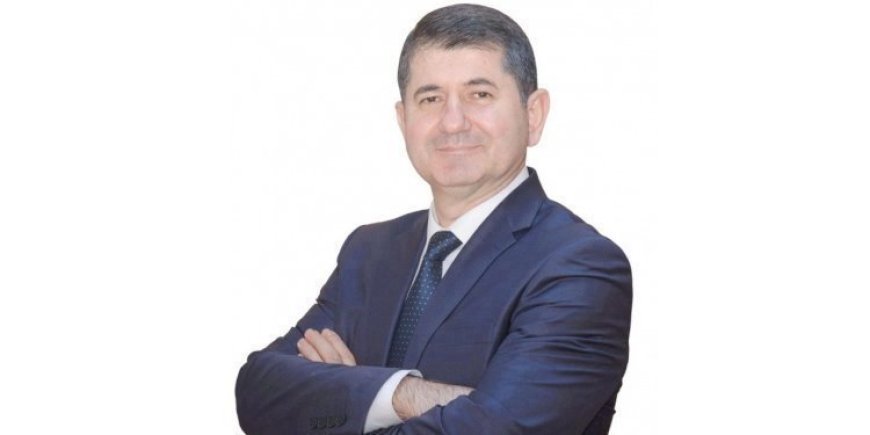
Yusuf Inan / Şehitler Ölmez / Turkey - Ukraine
THE FRAGILE BALANCE OF GLOBAL POWER: LOVE, JUSTICE, AND THE FUTURE OF MANKIND
Winners and Losers of a Shifting World Order
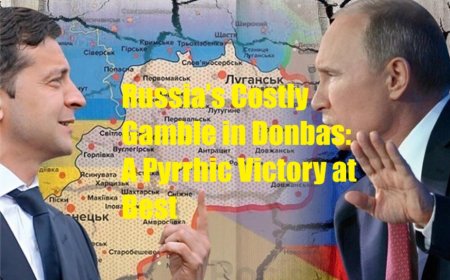
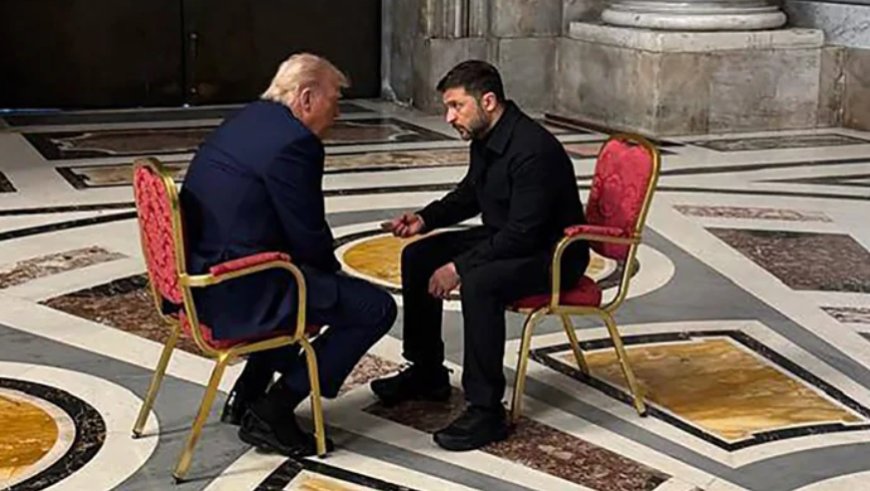
The Russian invasion of Ukraine was not merely a military maneuver; it reshaped global power dynamics. Today, many ask: Who won? Trump, Putin, Zelensky, Erdoğan?


In reality, there are no true winners — only shifting losses.
Putin and Russia made a historic miscalculation. By attacking Ukraine, they awakened a dormant patriotism. Ukrainians, once culturally intertwined with Russians, rediscovered national identity, pride, and resilience. Ukraine, despite its devastating losses, gained global sympathy and respect. Ukraine became not only a nation but a powerful global presence.
Putin also inadvertently strengthened NATO, bringing it closer to Russia’s borders. He cracked Russia's regional influence, isolated his country globally, and triggered a deeper, perhaps irreversible, decline of the Russian Federation.
Trump, with a more strategic and cultural approach, quietly reinforced American soft power. His rhetoric on trade, organic production, and dialogue over military intervention hinted at a path that could rebuild U.S. leadership through respect, not force. Yet political turmoil within the U.S. prevented full realization of this potential.


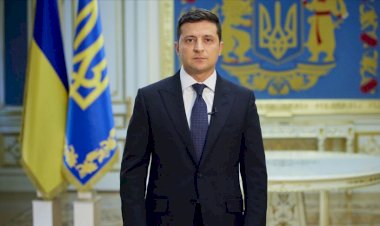
Zelensky emerged as a symbol of resilience. Though Ukraine paid a heavy price, he succeeded in placing Ukraine firmly at the center of the global stage, winning hearts and minds across continents.
Erdoğan positioned Turkey as a critical bridge between East and West. Through careful diplomacy — especially with the grain corridor initiative — Turkey enhanced its strategic value. Nevertheless, internal economic challenges overshadowed some achievements.
Meanwhile, Xi Jinping and China patiently watched, avoiding direct conflict while strengthening their long-term global position. However, China's growing pragmatism painted it as a cold and calculating power.
Europe, although initially unified in support of Ukraine, suffered economic and energy crises, revealing the fragility of its internal cohesion.
The Forgotten Blueprint: Love and Justice
History teaches us that real empires are not built through fire and sword, but through love and justice. The Ottoman Empire, at its height, expanded not by brute force but through cultural influence, tolerance, and fair governance. When love and justice eroded, so too did its power.
Modern leaders must remember: conquering hearts is far more sustainable than conquering land.
Putin’s Russia chose force and faces decline. Trump’s America glimpsed an opportunity to lead through respect and culture. Whether the U.S. — or any power — can truly embrace this model remains uncertain.
A New Vision for Global Peace
The path to lasting peace requires a radical shift:
-
Prioritize cultural dialogue over military alliances.
-
Foster economic collaboration based on fairness, not exploitation.
-
Promote organic production and human-centered innovation.
-
Invest in interfaith dialogue and shared values.
Humanity must choose between repeating cycles of violence or embracing a future built on compassion and justice. True strength lies not in domination but in shared growth.
As history whispers:
"You cannot truly protect land without first winning hearts."

YUSUF İNAN / PEACE AT HOME, PEACE IN THE WORLD (*)
Twitter : @Yusufinan2023
Instagram : yusufinan2023
Instagram : fondinan2016
Email : gundem@sehitlerolmez.com
Website : www.sehitlerolmez.com
(*) As Mustafa Kemal Atatürk, the founder of modern Turkey, once said, 'Peace at Home, Peace in the World.' This timeless principle serves as a guiding light for nations striving for harmony, coexistence, and global stability.