Ukraine's Spider Web Strike Shakes Russia, U.S. Shifts Policy in Syria, and Iran Nuclear Talks Hit Snag
Ukraine's daring drone operation inside Russia, the U.S.'s shifting Syria policy under Trump, and faltering nuclear negotiations with Iran reflect major geopolitical realignments in Eurasia and the Middle East.
 Editor



Ukraine's "Spider Web" Strike Shakes Russia, U.S. Shifts Policy in Syria, and Iran Nuclear Talks Hit Snag
YUSUF İNAN / ŞEHİTLER ÖLMEZ / TÜRKİYE
Ukraine's Strategic Blow Inside Russia: The “Spider Web” Operation
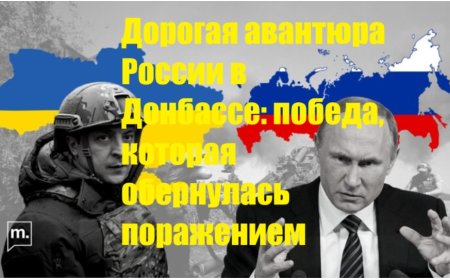
In a bold and highly coordinated military move, Ukraine launched a daring drone attack deep inside Russian territory, targeting strategic bomber airbases in what has been dubbed the “Spider Web” operation. Military analysts reveal the planning spanned over 18 months and penetrated more than 4,000 kilometers into Russian airspace, even reaching Siberia. Using modified trucks with concealed drones inside containers, Ukraine's forces infiltrated Russian defenses and unleashed a devastating strike.
Despite official claims from Kyiv that more than 40 aircraft were neutralized, independent sources confirm the number is between 10 to 12—still a significant blow to Russia’s long-range strike capabilities. These bombers, which are no longer being produced, represent a loss Russia cannot easily replenish.
The timing of the strike—just before ceasefire negotiations in Istanbul—was not coincidental. It strengthened Ukraine’s position at the negotiating table and sent a clear message: Ukraine has the capability and will to strike at the heart of Russian military infrastructure.
Russia’s Military Doctrine Under Pressure
This operation shattered key assumptions in Russia's military doctrine. The belief that Russia’s vast geography offers natural protection has been disproven. The attack demonstrated that low-cost, locally produced Ukrainian drones can bypass Russian air defenses and strike with precision. Even more alarming for the Kremlin is the revelation of internal vulnerabilities and potential infiltration within its own intelligence networks.


The U.S. Redraws Its Syria Strategy
While Ukraine escalates the military pressure on Russia, the United States is executing a quiet but significant shift in Syria. Trump’s special envoy, Tom Barrack, is leading efforts to reduce direct U.S. involvement and hand over regional responsibilities to local actors. In a surprising development, Barrack acknowledged support for integrating 3,500 former foreign jihadists—including Uyghurs—into the Syrian army under a "transparency principle."
At the same time, Washington is scaling back military presence, consolidating its troops into fewer bases, and signaling a willingness to engage diplomatically with Assad’s regime—despite longstanding U.S. sanctions and Israel's strong opposition.
Kurds and the Shifting Regional Order
Turkey appears to be leveraging domestic Kurdish disarmament initiatives to reposition itself in Syria. Reports suggest a new model akin to the Druz militia structure in southern Syria, where armed local forces provide security under formal Syrian army insignia without disarming. This would allow Kurdish forces to remain in control of their territories while avoiding direct confrontation.


This shift could allow President Erdoğan to claim a strategic win domestically—portraying the disbanding of Kurdish autonomy and disarmament—while on the ground, a new de facto status quo persists. Meanwhile, the U.S. continues to insist it has not abandoned its Kurdish allies, signaling a careful balancing act between regional allies and Congressional expectations.
Iran Nuclear Talks: Old Problems in a New Package
In parallel, the Trump administration is quietly reviving a version of the 2015 nuclear deal with Iran—despite Trump’s earlier criticism that it was “the worst deal in history.” Current drafts suggest that Iran may continue limited uranium enrichment, without addressing its ballistic missile program or regional activities.
The driving force behind this pivot is Trump’s desire to avoid a new war and keep the region stable enough to secure massive economic deals with Gulf allies like Saudi Arabia and the UAE. Iran, already at the nuclear threshold, holds a powerful bargaining position. However, Israel remains firmly opposed to any agreement that doesn't dismantle Iran's enrichment capabilities entirely, and may act unilaterally if diplomacy fails.
Trump's ultimate goal is clear: secure a historic peace deal with Iran, normalize ties with Syria, and maintain regional calm—all while projecting an image of American disengagement and economic focus. Yet, Israel’s resistance, Congress’s scrutiny, and Iran’s firm stance ensure the road ahead is anything but smooth.

YUSUF İNAN / PEACE AT HOME, PEACE IN THE WORLD (*)
Twitter : @Yusufinan2023
Instagram : yusufinan2023
Instagram : fondinan2016
Email : gundem@sehitlerolmez.com
Website : www.sehitlerolmez.com
(*) As Mustafa Kemal Atatürk, the founder of modern Turkey, once said, 'Peace at Home, Peace in the World.' This timeless principle serves as a guiding light for nations striving for harmony, coexistence, and global stability.