Beyond the Coffin: A Tribute to Sgt. Mustafa Bazna (Ep. 197)
“Tabuta Sığmayanlar” (Ep. 197) honors P. Sgt. Mustafa Bazna, who fell in the Claw-Lock operation; his parents recount his life, final act of valor, recovery and reburial, and their effort to turn grief into community service.
 Editor2
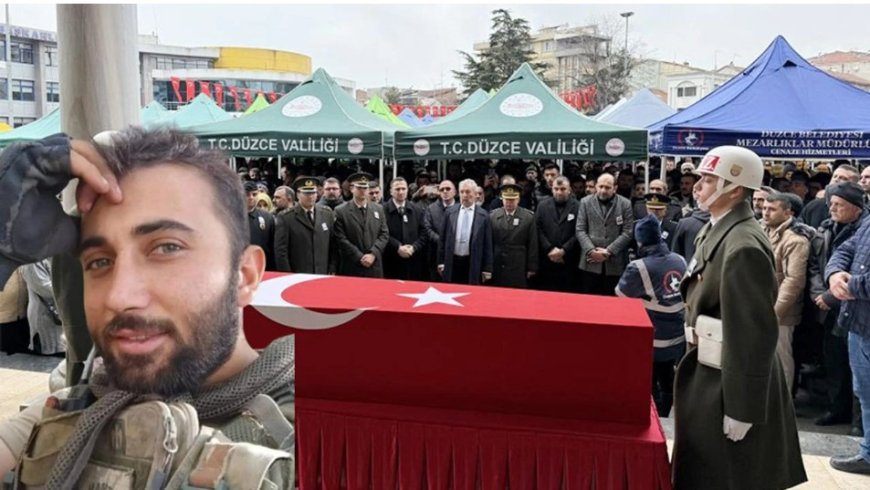


“Beyond the Coffin”: A Tribute to Sgt. Mustafa Bazna (Ep. 197)
MARTYRS NEVER DIE / ANKARA
A fallen soldier’s story, told through a family’s voice
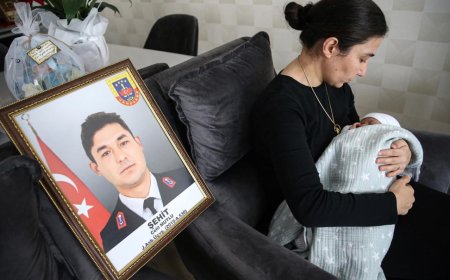
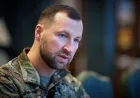
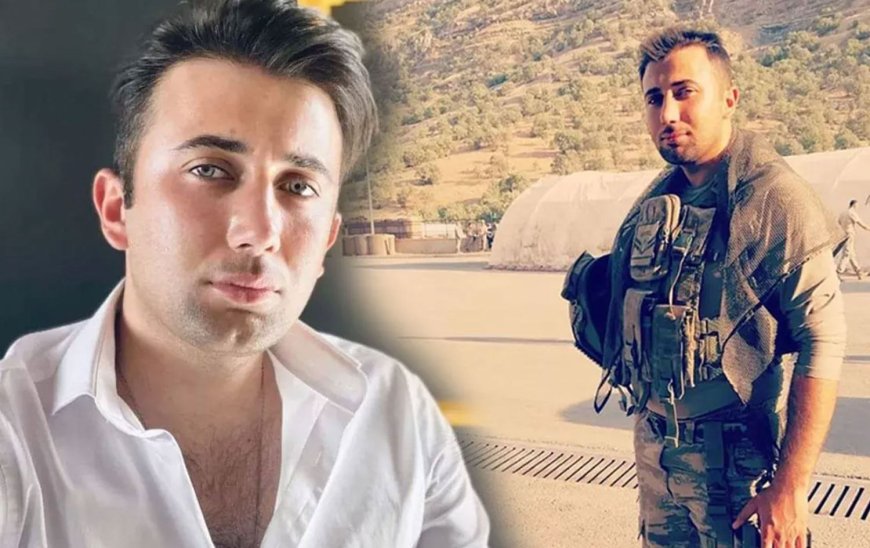
The documentary series Tabuta Sığmayanlar (“Those Who Don’t Fit in a Coffin”) devotes its 197th episode to P. Sgt. (Uzman Çavuş) Mustafa Bazna, who fell on 3 November 2022 during Türkiye’s Claw-Lock (Pençe-Kilit) operation in northern Iraq. The film reconstructs Bazna’s life and final mission through intimate testimonies from his parents, placing one family’s loss within a wider national memory.
From quiet child to front-line NCO
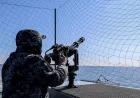
Born in 1996 to a family originally from Çorum, Bazna grew up a reserved, empathetic child—“someone who carried others’ burdens,” his father Ramazan Bazna recalls. A passionate Beşiktaş supporter, he dreamed early of wearing the uniform. After conscription he chose the professional track, serving not in the rear but at the front in cross-border and counter-terror operations including Afrin, Idlib and al-Bab. “I love my country; there’s no greater ground for service,” he told his parents when they urged him to take a safer path.
The last mission and an act of valor
The documentary recounts, through the family’s account, the operation in rugged terrain where Bazna left a secure position to help extract a wounded comrade down a steep cliff face. As he descended on a rope to reach the casualty, both men fell. The comrade and Bazna landed on different ledges near the mouth of a cave. Search efforts in the following period were complicated by the geography and ongoing security conditions.
Two and a half years of waiting — and a reburial
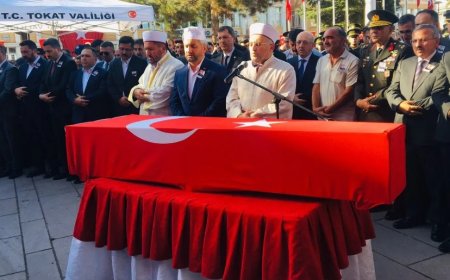
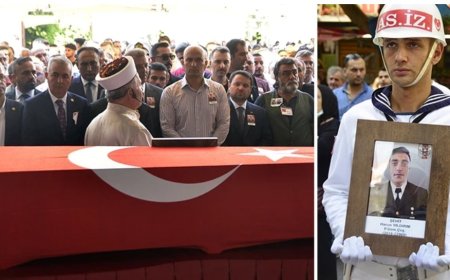
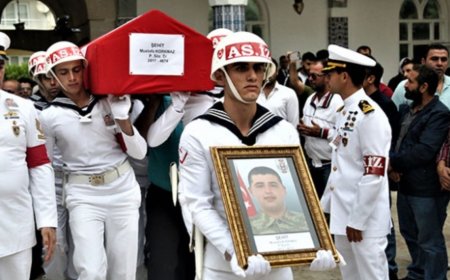
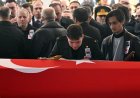
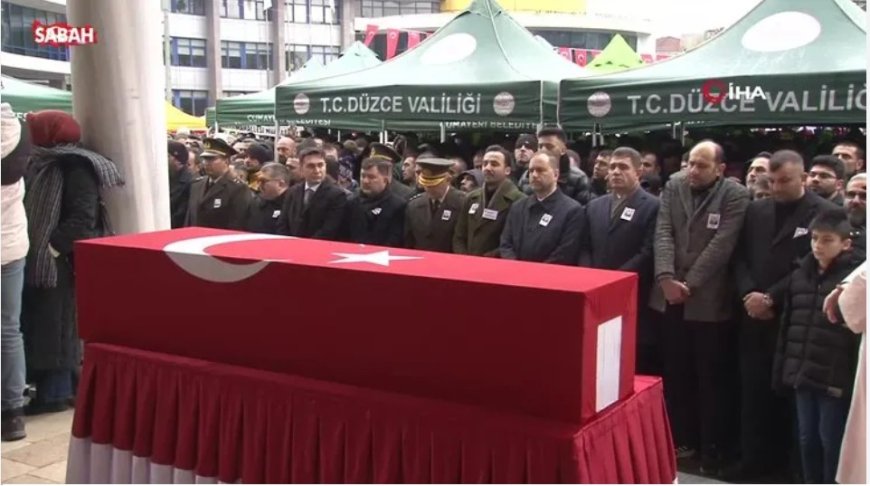
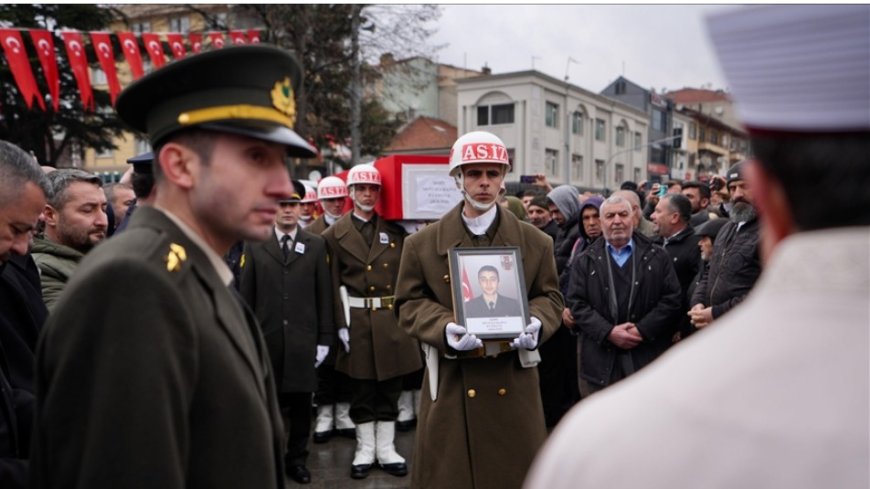
For two and a half years, the family lived between hope and mourning. The father describes recurring dreams of a cave and a corner he could almost reach: “He seemed angry with me for not going that last step,” he says in the film. When remains were finally recovered and identified, the family held a funeral and reburied him in a white shroud, honoring religious tradition.


The father shares a deeply personal belief about the intact state of his son’s body at reburial two and a half years after his death. “We were told we could look; we chose not to, but they said his body was whole. That spirituality was enough for me,” he says. The documentary presents these as the family’s own experiences and convictions.
Letters, love and a sense of destiny
The episode also features messages reportedly exchanged between Bazna and a young woman he intended to marry. In those texts, he speaks of a premonition of martyrdom, telling her to build her life if that day comes. The correspondence, revealed after his death, paints the portrait of a young man who felt called to a duty larger than himself.


Turning grief into civic purpose
The family has since worked to keep his memory active in the community, including establishing a library in his name. “If two children out of a hundred understand what the flag and this land mean, that’s a victory,” the father says. The mother describes the paradox of bereavement: the unending ache and the pride that strangers address her as “anne”—mother—on memorial days and visits.
Memory as national armor
Tabuta Sığmayanlar situates individual sacrifice within a broader narrative of national resilience. By giving long space to the family’s own words—about faith, doubt, dreams and duty—the episode underscores a core thesis: martyrdom is not an abstraction but a lived experience that reshapes families, communities and the civic fabric. In telling Bazna’s story, the film seeks to ensure that remembrance itself becomes a form of collective defense.
*
*
#MustafaBazna #TabutaSığmayanlar #PençeKilit #Şehit #Anma #Vatan #Türkiye
A soldier doesn’t die when he’s shot—he dies when he’s forgotten.
www.sehitlerolmez.com