Vance hails Trump’s ‘energetic diplomacy’ to end Ukraine war
U.S. Vice President JD Vance lauded President Trump’s “energetic diplomacy” and heightened economic pressure on Russia, saying the approach can help bring the war in Ukraine to a close, while urging Europe to bear a larger share of future security costs.
 Editor2


Vance hails Trump’s ‘energetic diplomacy’ to end Ukraine war
MARTYRS NEVER DIE / WASHINGTON
VP highlights pressure campaign in new post
U.S. Vice President JD Vance praised President Donald Trump’s approach to the Russia-Ukraine war, saying the administration has applied “more economic pressure to the Russians to stop this war than Biden did in three years,” and calling it “the energetic diplomacy that’s going to bring this war to a close.” Vance posted the message on X on August 24 from the official @VP account.
Message follows TV remarks on talks and ‘concessions’
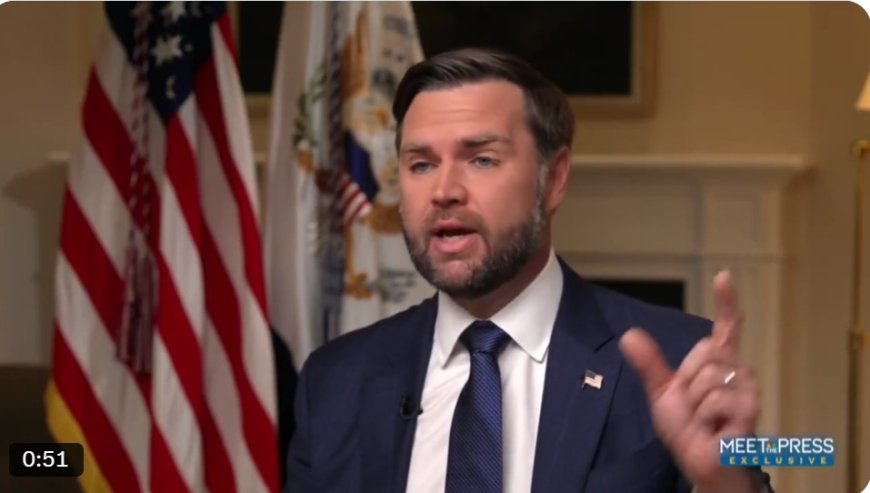
Vance’s social post echoes comments he made in recent interviews, where he argued the White House’s diplomatic push is creating space for negotiations. He told NBC’s Meet the Press that, for the first time in years, Moscow had shown “significant concessions” and “flexibility on some of their core demands,” positioning Washington to press for a cease-fire framework.
Europe’s role and costs loom large
Amid the renewed diplomacy, Vance has signaled that European allies will be expected to shoulder a larger share of long-term security guarantees and reconstruction costs tied to any settlement. “European countries will have to pay the lion’s share,” he said this week, underscoring a burden-sharing approach that aligns with the administration’s broader transatlantic message.
What ‘economic pressure’ means
While Vance did not enumerate new measures in his X post, his team has framed the strategy as combining targeted economic leverage with high-intensity shuttle diplomacy to reduce battlefield violence and drive talks. In separate coverage of his remarks, outlets noted Vance’s contention that sustained pressure—paired with clear off-ramps—could move the conflict toward talks within months, even as he cautioned that the timeline could vary.


Skeptics question substance; allies watch closely
Skeptics, including some European commentators, warn that claims of rapid progress may overstate what recent leader-level meetings achieved and risk signaling premature concessions to Moscow. Others argue that any breakthrough will depend on verifiable steps on the ground and detailed security arrangements acceptable to Kyiv and European capitals. Still, the vice president’s emphasis on diplomacy has put the administration’s approach to Ukraine at the center of the foreign-policy debate.