Ukraine: The Awakening Giant and Russia’s Strategic Collapse
Russia’s 2022 invasion of Ukraine triggered a dramatic shift in global geopolitics. This article explores Ukraine’s transformation into a modern military power and analyzes Russia’s strategic missteps and losses.
 Editor


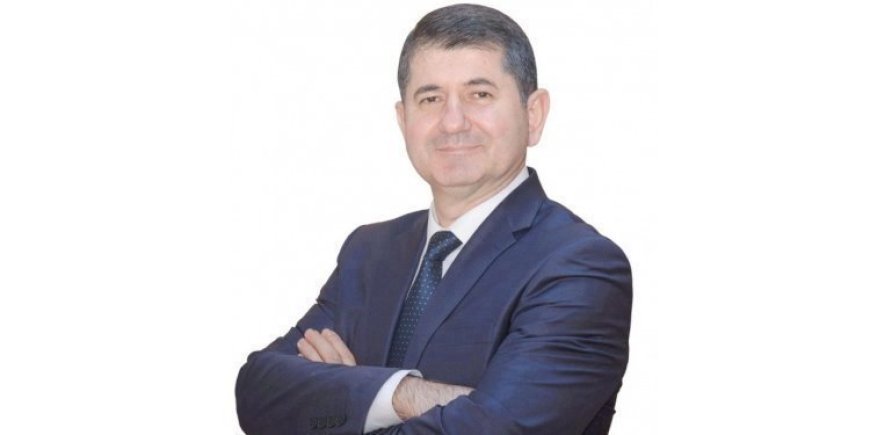
By Yusuf İnan
Ukraine: The Awakening Giant and Russia’s Strategic Collapse
Russia's full-scale invasion of Ukraine on February 24, 2022, marked a dramatic turning point in contemporary European geopolitics. Intended as a swift military operation to restore Moscow's influence over its former satellite, the campaign instead triggered an unprecedented transformation in Ukraine’s political, military, and civil landscape. Conversely, Russia has seen its global standing, economic stability, and military reputation deteriorate. This paper analyzes Ukraine’s evolution from a post-Soviet bureaucracy into a formidable regional power, and how Russia, misled by faulty intelligence and outdated imperial ambitions, is facing internal dissent and global isolation.
Ukraine Before the Invasion: A Nation in Transition
Between 2013 and 2014, Ukraine was grappling with widespread dissatisfaction, stagnant reforms, and economic hardships. The Euromaidan revolution reflected a deep public yearning for Western integration, yet the state's bureaucratic structure remained outdated. Archival records were still maintained manually, and military modernization was limited. At the time, the exchange rate hovered around 7–8 hryvnia per dollar—an indicator of a fragile but not collapsing economy. Many Ukrainian youths migrated to Russia in search of work, highlighting the deep economic interdependence between the two nations.
The 2014 annexation of Crimea was a wake-up call, but it wasn’t until 2022 that Ukraine truly began to shed its Soviet-era inertia.
The Three-Year Transformation: Military and Political Evolution
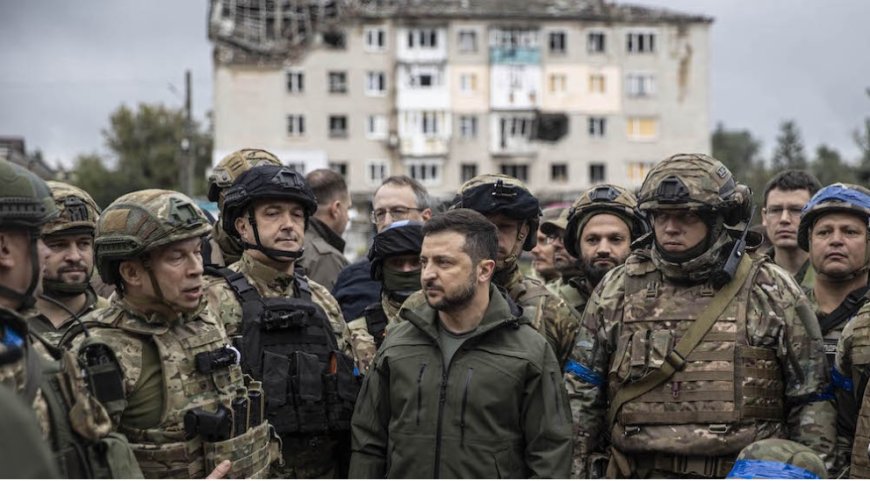
Russia's full-scale assault in 2022 backfired, accelerating Ukraine's modernization by decades within a few short years. In 2025, Ukraine now possesses not only a highly motivated military but also domestically produced long-range drones and missile capabilities.


The recent "Spider Web" operation, in which 117 domestically produced drones targeted strategic Russian airbases across the country, demonstrated Ukraine’s operational maturity. Ukrainian President Volodymyr Zelensky praised the attack as “flawlessly executed,” and the Security Service of Ukraine (SBU) estimated a $7 billion loss for Russia.
A critical moment in this transformation was the appointment of Rustem Umerov, a Crimean Tatar, as Minister of Defense. His leadership not only introduced strategic depth to Ukraine’s defense doctrine but also solidified support from the broader Turkic and Islamic world.
Russia’s Miscalculation: Strategic and Geopolitical Fallout
Vladimir Putin's decision to invade Ukraine was rooted in miscalculations: he underestimated Ukraine’s resilience and overestimated his own military’s capability. Russian intelligence failed to anticipate the societal and institutional reforms that would follow the invasion.


Today, Russia has lost significant ground—not just in Ukraine but also in the Middle East. It has been forced to scale back its operations in Syria, and key allies are reevaluating their ties. Once feared as a global superpower, Russia is now viewed as a destabilizing actor that has lost both credibility and leverage.
Internally, cracks are forming within the Russian political and economic system. The prolonged war is unsustainable, and civilian dissent is mounting.
The Ukrainian People: From Resistance to National Awakening
Perhaps the most profound change is within Ukrainian society itself. What began as resistance has evolved into a full-fledged national awakening. Russian, once widely spoken, is now rejected. Parents are actively avoiding teaching their children the language, viewing it as the tongue of an aggressor.
Death and destruction have hardened Ukraine’s collective psyche. The nation has become immune to fear and more determined than ever to resist. Ukraine is no longer seen as a victim, but as a respected force—militarily capable and morally resolute.
Conclusion
Russia's war in Ukraine was meant to reassert its dominance but has instead awakened a formidable rival. Ukraine, once seen as the periphery of Europe, is now at the center of a global security dialogue. The country has achieved a level of self-reliance and defense capability that was unimaginable just three years ago.
The only viable path forward is peace. But for that to happen, Russia must abandon its pride and withdraw from Ukrainian territory. If the conflict continues, Russia risks internal collapse and irreparable damage to its international standing. Ukraine, on the other hand, has proven that it is not merely a victim of aggression—it is the new symbol of 21st-century resilience.

YUSUF İNAN / PEACE AT HOME, PEACE IN THE WORLD (*)
Twitter : @Yusufinan2023
Instagram : yusufinan2023
Instagram : fondinan2016
Email : gundem@sehitlerolmez.com
Website : www.sehitlerolmez.com
(*) As Mustafa Kemal Atatürk, the founder of modern Turkey, once said, 'Peace at Home, Peace in the World.' This timeless principle serves as a guiding light for nations striving for harmony, coexistence, and global stability.