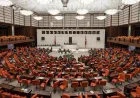
A State That Urges Three Children, But Leaves Them Fatherless
President Erdoğan warns of a demographic “disaster” as Turkey’s birth rate hits historic lows. But for families separated by state-imposed travel bans and legal gridlock, the crisis began long ago.
 Editor
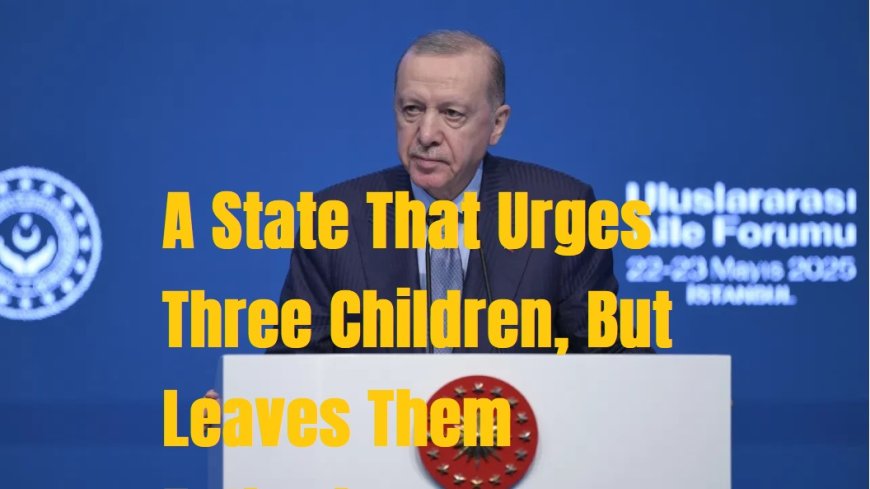


Erdoğan Calls Turkey’s Birth Rate a “Disaster” — But What About Families Already Broken by the State?
YUSUF İNAN / ŞEHİTLER ÖLMEZ / TÜRKİYE
A Nation Urged to Have More Children, While Fathers Are Barred from Reuniting with Their Own
Turkish President Recep Tayyip Erdoğan recently described the country’s plummeting birth rate as a “disaster,” declaring 2026–2035 the “Decade of Family and Population.” But behind the rhetoric lies a deeper contradiction — one felt acutely by families torn apart not by choice, but by court rulings, bureaucratic inertia, and legal systems failing the people they are meant to protect.
As Erdoğan urges families to “have at least three children,” thousands of Turkish parents live a nightmare: unable to see their children due to unresolved custody battles, exit bans, or court delays. In some cases, these separations stretch beyond seven years — and occur in war zones like Ukraine, where Turkish children grow up fatherless while the Turkish judiciary remains silent.
“Three Children” — But What Kind of Future Awaits Them?
The President’s warning was based on new data from the Turkish Statistical Institute showing the birth rate has dropped to 1.48 — far below the population replacement threshold of 2.1. Erdoğan blamed cultural shifts, consumerism, and the breakdown of traditional family values, framing the crisis as an existential threat to Turkey’s future.
Yet for families like that of Elif and Ayşe — two young girls living in rural Ukraine without their father since infancy — these speeches ring hollow. Their father remains trapped in Turkey under a years-long travel ban imposed during a custody dispute. While bombs fell and war raged outside their door, the state denied a father the right to protect, comfort, and raise his children.


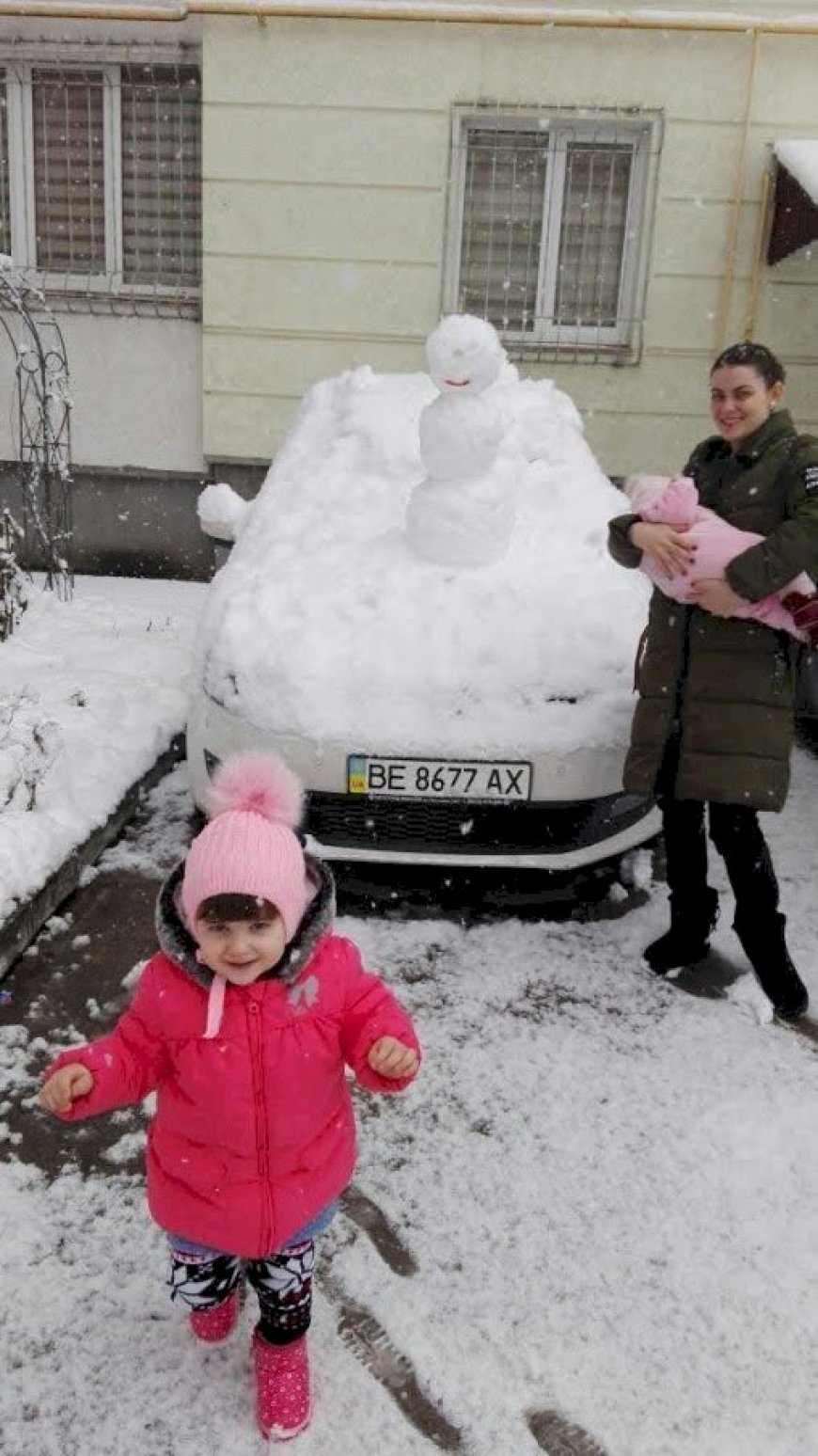
PHOTO: Elif and Ayşe with Their Mother in Ukraine – 7 Years Ago – Ukraine, 2018
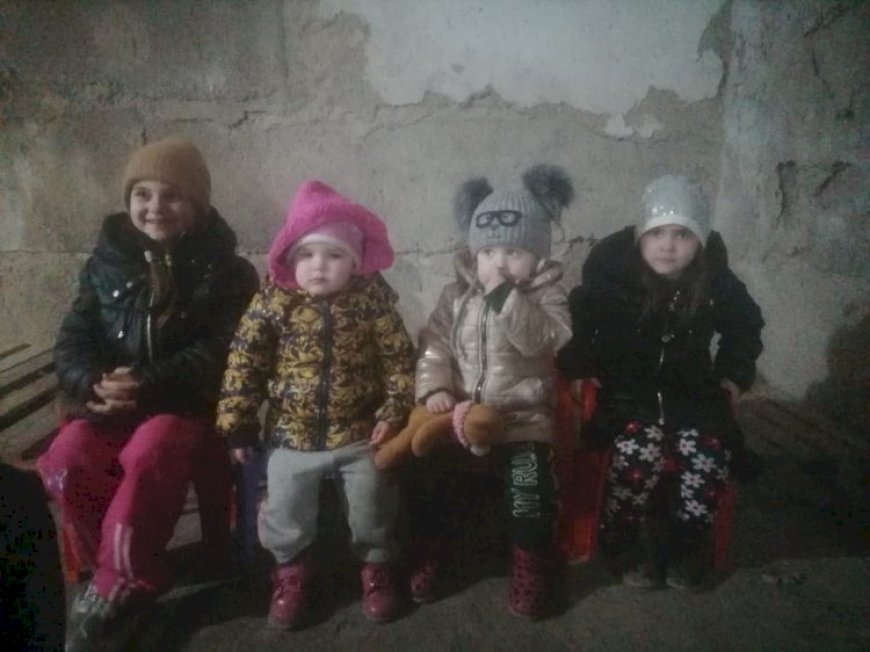


PHOTO: Elif and Ayşe in a Shelter in Ukraine – 7 Years Later – 2025
A Justice System That Silences, Not Supports
Despite numerous appeals to regional courts, the Constitutional Court, and even the Presidential Complex itself, the father's pleas have gone unheard. The ban remains in place without a clear legal basis, and no authority — not the Ministry of Justice, not the appellate courts — has intervened.
This is not just a legal failure. It is a moral one. How can a state that encourages its citizens to raise larger families simultaneously enforce policies that divide them — leaving fathers and children on opposite sides of borders and battlefields?
Between Policy and Reality: The Cost of Contradiction
President Erdoğan’s speech painted an idealistic picture of the Turkish family as “sacred,” “unbreakable,” and the foundation of society. But the lived reality of many citizens tells a different story — one of forced separation, legal paralysis, and emotional devastation.
How can citizens be expected to build families when the very institutions that should support them instead erect barriers between parents and children? How can Turkey solve its population crisis while simultaneously undermining the trust people place in the legal system, in fairness, and in the state itself?
Strategic Rhetoric or Sustainable Policy?
The “Decade of Family” will be meaningless without legal reform that protects real families — not just the ones in speeches. If Turkey is to reverse its demographic decline, it must begin by reuniting families, restoring justice, and ensuring that no parent is denied access to their child by the state they call home.
A government cannot in good faith promote fertility while ignoring those already denied family life by bureaucratic indifference or political favoritism. Until the cries of fathers like the one separated from Elif and Ayşe are heard, Turkey’s family policy will remain an ideal wrapped in contradiction.
Because ultimately, a nation’s strength lies not in the number of children born — but in how it treats the children and families it already has.

YUSUF İNAN / PEACE AT HOME, PEACE IN THE WORLD (*)
Twitter : @Yusufinan2023
Instagram : yusufinan2023
Instagram : fondinan2016
Email : gundem@sehitlerolmez.com
Website : www.sehitlerolmez.com
(*) As Mustafa Kemal Atatürk, the founder of modern Turkey, once said, 'Peace at Home, Peace in the World.' This timeless principle serves as a guiding light for nations striving for harmony, coexistence, and global stability.