Remembering Police Officer Ferdi Özkan, Killed in Adana Stabbing Attack
Police Officer Ferdi Özkan, killed in a stabbing attack in Adana on August 15, 2009, is remembered for disciplined service, quiet charity, and devotion to family and country.
 Editor2


Remembering Police Officer Ferdi Özkan, Killed in Adana Stabbing Attack
MARTYRS NEVER DIE / ADANA, TURKEY
A life in service, shaped by faith and discipline
Police Officer Ferdi Özkan was remembered by family, friends, and colleagues as a calm, conscientious public servant whose discipline ran deep. Born in Istanbul and raised in a close-knit family with law‐enforcement roots, Özkan chose the badge over other career paths, suspending university studies to join the force. Relatives recall a young man who fasted from childhood, avoided bad habits, and preferred modest gatherings to loud celebrations. He spoke often of sacrifice and duty, a theme that would come to define his short career.
Four years on the front line
Stationed in Adana, Özkan served primarily with the riot police (Çevik Kuvvet) and, according to his family, was frequently called to support intelligence and protection operations. Over four years he earned numerous commendations for professionalism during high-risk deployments. Colleagues knew him as an able marksman and a steady presence under pressure—qualities that led supervisors to request him for complex assignments across the city’s districts.
The attack on August 15, 2009
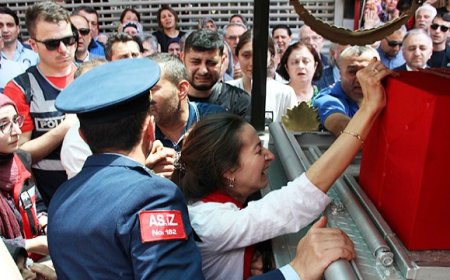
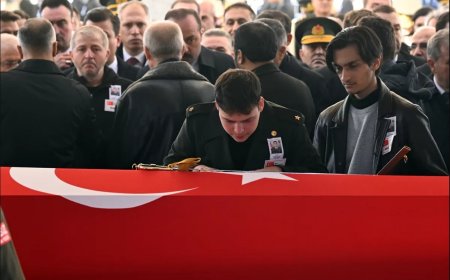
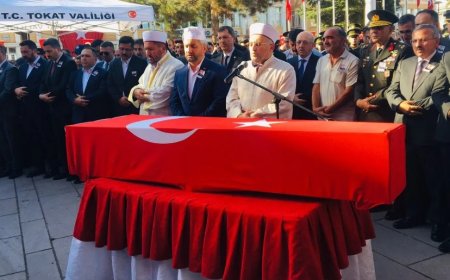
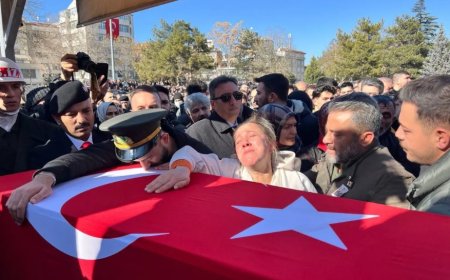
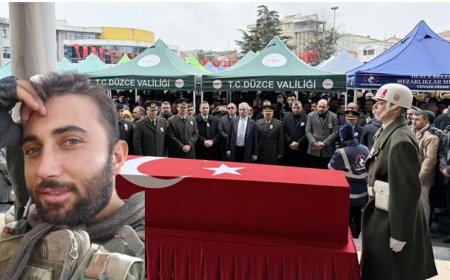
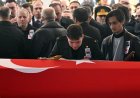
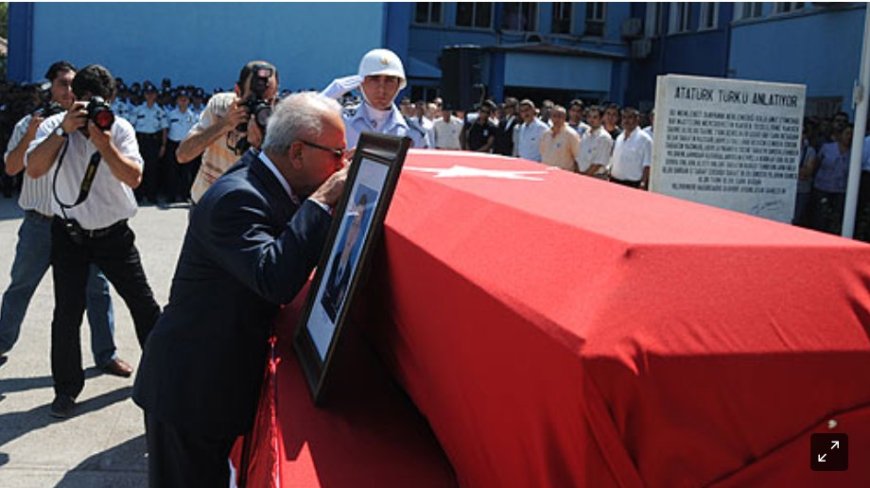
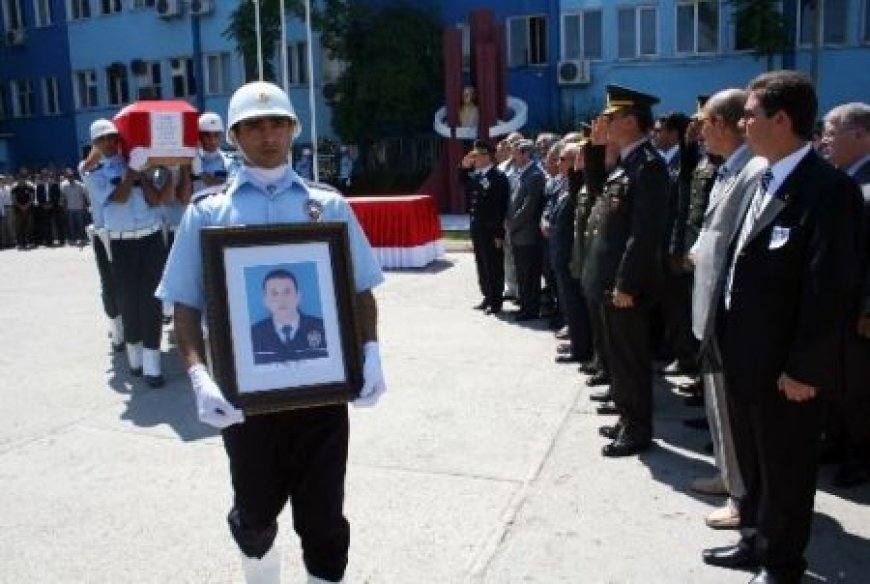
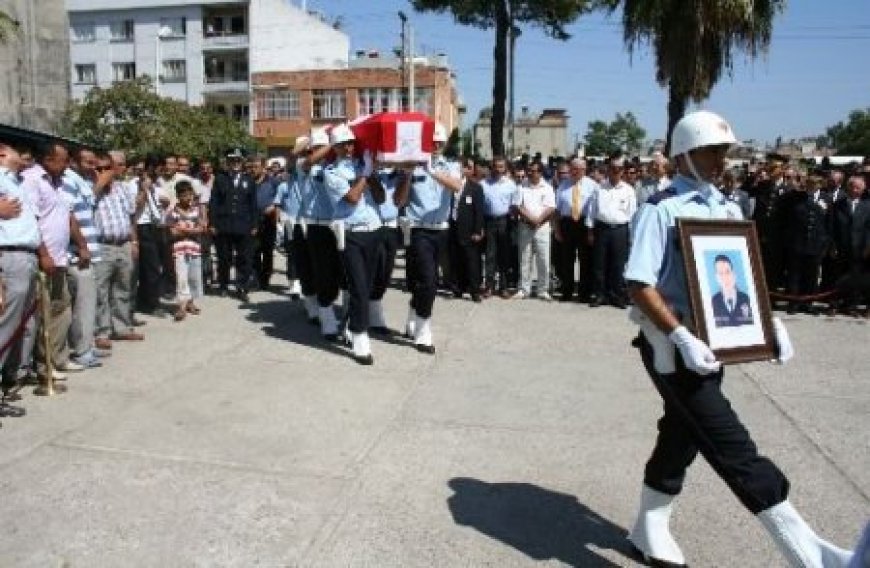
On the evening of August 15, 2009, while assisting with a law-enforcement operation in Adana, Özkan was fatally stabbed during the apprehension of suspects linked by authorities to the PKK. Family accounts indicate he had helped identify and detain a principal suspect when an assailant used the surrounding crowd to close distance and strike from behind. Özkan was rushed to the hospital, where teams of surgeons worked through the night, but he succumbed to his wounds. He was 24. In the days that followed, residents lined the streets for his funeral, and fellow officers carried his coffin draped in the Turkish flag.


The threads of memory: quiet kindness, private charity
Many who knew Özkan learned only after his death about the quiet ways he gave back. Two students—both orphans—came forward to say their school fees had been paid by an anonymous donor: the officer they barely knew. Family members say he kept such gifts private, preferring that the help, not the helper, be noticed. They also shared a detail that still chills them: a phone note entered 34 days before his death, referencing a “knife attack seen in a dream.” Whether coincidence or a soldier’s intuition, the entry has become part of the family’s living archive.
A father’s voice, a mother’s grief
His parents speak of a son who insisted on carrying the “flag” of service handed down from his father, himself a veteran policeman. They remember the last ordinary moments—tea on the balcony, a laugh in the elevator—before the night turned extraordinary and the news became unspeakable. Their accounts describe a hospital corridor full of officials and a city’s worth of mourners, followed by years of quiet endurance: fewer weddings, more prayers; a mother avoiding bridal aisles because they remind her of the celebration her son would never have.
Why his story endures
For readers far from Adana, Özkan’s life resonates in its essentials: a young officer who sought difficult work, who believed duty was both shield and compass, and who tried to make other people’s burdens lighter. The circumstances of his death—swift, chaotic, in the middle of a crowd—underscore the complexity of urban policing and the risks borne daily by those in uniform. His legacy rests not only in citations and ceremony, but in the small, unpublicized acts that outlive any headline: the tuition paid, the neighbor greeted, the family steadied by faith. In the words his loved ones return to again and again, martyrs never die—because memory keeps them among the living.


*
Etiketler: #FerdiOzkan #Adana #TürkPolisi #Şehit #2009 #Anma #Güvenlik
A soldier doesn’t die when he’s shot—he dies when he’s forgotten.
www.sehitlerolmez.com