Turkey’s Untapped Skilled Workforce: A Strategic Opportunity for Europe
As Germany and Europe seek skilled labor to address post-pandemic challenges and security concerns, Turkey’s sidelined professional class—marginalized since 2016—emerges as a valuable opportunity for bilateral cooperation and strategic migration policy.
 Editor


By Yusuf İnan
Turkey’s Untapped Skilled Workforce: A Strategic Opportunity for Europe
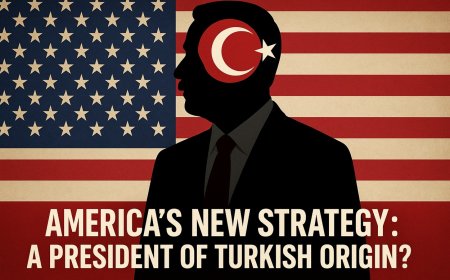
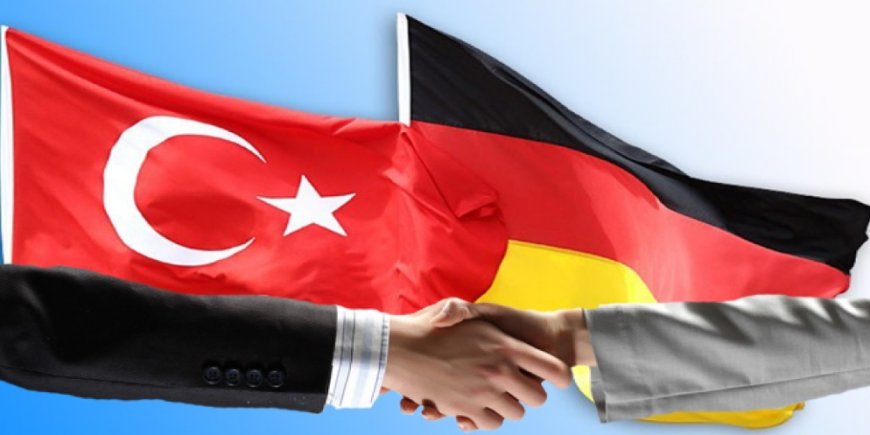
As Europe faces a growing shortage of skilled labor across vital sectors—from healthcare and information technology to defense and infrastructure—Turkey emerges as a potential strategic partner with a vast pool of qualified but underutilized professionals. This untapped resource, shaped by recent political and economic shifts in Turkey, could offer mutually beneficial solutions for both Ankara and the European Union.
Germany’s Evolving Labor Demands
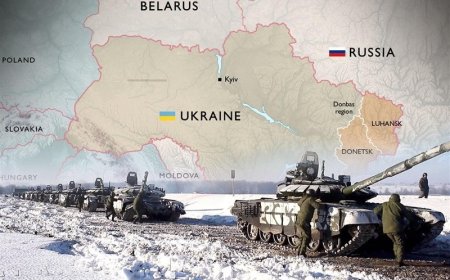
Germany, Europe's largest economy, is undergoing a structural transformation. With an aging population and increasing pressure on healthcare systems, digital infrastructure, and defense readiness—exacerbated by Russia’s war on Ukraine—Germany is urgently seeking skilled workers. Today, its needs have shifted beyond unskilled labor to include doctors, software engineers, cyber security experts, and trained military personnel.
In recent years, the German government has openly acknowledged its interest in attracting foreign medical students, offering scholarships and long-term employment incentives. The Bundeswehr, Germany's military, is also undergoing reform, seeking technical and experienced recruits.
A Surplus of Talent in Turkey
Meanwhile, Turkey finds itself in an unusual position. Since the failed coup attempt in July 2016, the Turkish state has dismissed or marginalized approximately 10 million skilled individuals, including academics, civil servants, doctors, and engineers. Many are now unemployed, underemployed, or barred from professional life due to legal and administrative restrictions.
While this represents a significant loss for Turkey's economy and institutional capacity, it presents a rare opportunity for Europe. Thousands of these skilled Turks have already relocated to countries like Germany, where they have been widely noted for their integration capabilities, adaptability, and low rates of social conflict.
Military and Security Contributions
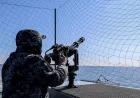
As Europe debates the formation of a collective European army and strengthens NATO’s eastern flank, security-related human capital becomes increasingly vital. Many of Turkey’s displaced professionals have military or strategic experience, including language proficiency and technical expertise. For Germany and other EU nations, welcoming this population could bolster not just civilian sectors, but also defense capabilities.
Turkey’s Dilemma: Exporting Talent or Letting It Decay
Turkey, struggling with high inflation, currency devaluation, and rising unemployment, is in no position to reintegrate this highly educated group. Current policies actively hinder their participation in the economy. Many have been stripped of civil rights or are unable to work in their professions.

If the Turkish government were to comply with rulings by the European Court of Human Rights (ECHR) and its own Constitutional Court, it could enable this group to legally emigrate and work abroad—turning a political liability into an economic asset. This workforce could then generate remittances, create international business bridges, and improve Turkey’s diplomatic standing in Europe.
A Win-Win Scenario for Europe and Turkey
Europe, particularly Germany, now has a chance to move beyond the traditional guest-worker model of the 1960s and build a modern migration partnership with Turkey based on mutual benefit. This model would prioritize highly skilled professionals who can integrate quickly and contribute immediately.
For Turkey, exporting this workforce under structured, legal frameworks could ease domestic tensions, alleviate economic pressure, and enhance international relations. For Europe, especially in the context of a post-pandemic labor crisis and increased geopolitical uncertainty, this is a strategic solution with long-term value.
When talent is left to stagnate, it becomes a liability. But when mobilized wisely, it becomes the catalyst for progress—not only for the country of origin, but for the world.

YUSUF İNAN / PEACE AT HOME, PEACE IN THE WORLD (*)
Twitter : @Yusufinan2023
Instagram : yusufinan2023
Instagram : fondinan2016
Email : gundem@sehitlerolmez.com
Website : www.sehitlerolmez.com
(*) As Mustafa Kemal Atatürk, the founder of modern Turkey, once said, 'Peace at Home, Peace in the World.' This timeless principle serves as a guiding light for nations striving for harmony, coexistence, and global stability.